fbpx

Exploring the Benefits of a Second Passport from Vanuatu

Exploring the Benefits of a Second Passport from Vanuatu

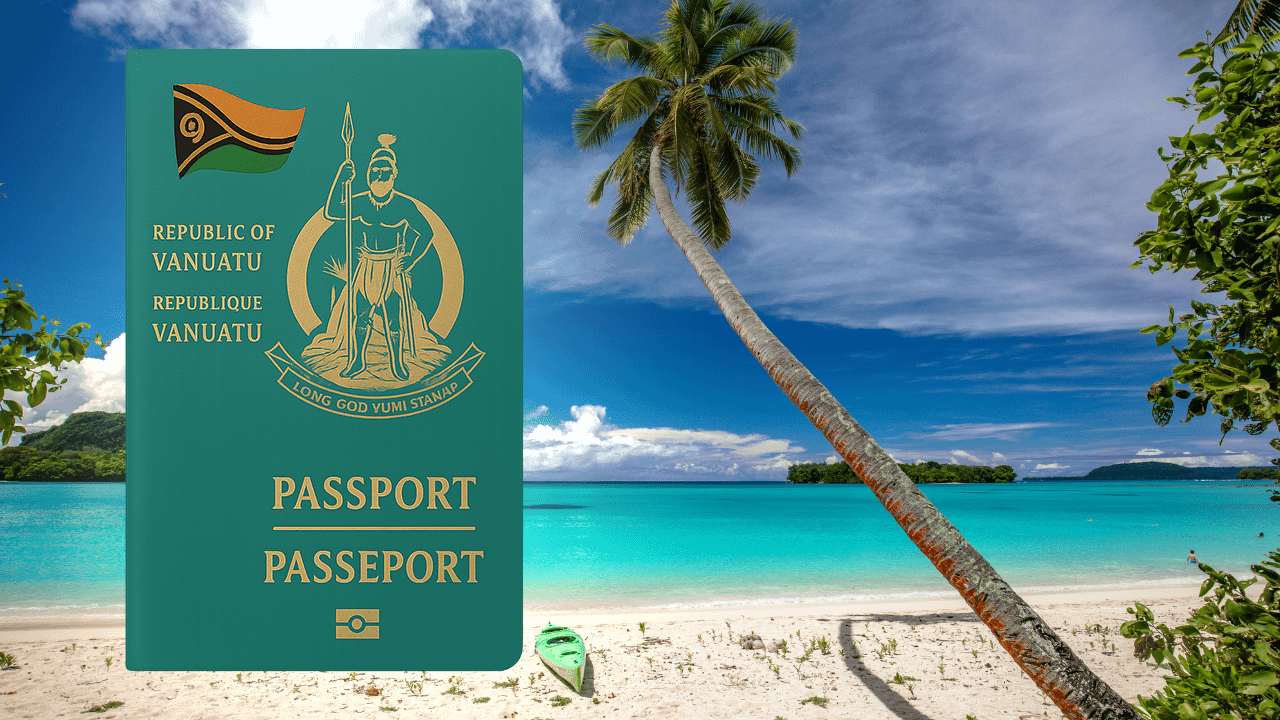
In today’s globalized world, a second passport can serve as a powerful tool for expanding opportunities and enhancing personal freedom. One of the most attractive options for those seeking this advantage is the Vanuatu Second Passport Benefits Vanuatu Golden Passport. Vanuatu, a beautiful archipelago in the South Pacific, offers a second citizenship program that comes with a plethora of benefits. In this article, we will explore the advantages of obtaining a second passport from Vanuatu, covering travel, financial, and personal security benefits.

Enhanced Travel Freedom

One of the primary benefits of holding a second passport is the increased travel freedom it provides. A passport from Vanuatu allows visa-free or visa-on-arrival access to over 130 countries, including key destinations in Europe, Asia, and Oceania. This level of access can make traveling for both business and pleasure considerably easier, bypassing lengthy visa applications and restrictions.

Tax Benefits

Vanuatu is well-known for its favorable tax regime, which provides significant financial advantages. The country does not impose capital gains tax, inheritance tax, or income tax on foreign income. This makes Vanuatu an attractive destination for individuals looking to minimize their tax liabilities. By acquiring a second passport, individuals can enjoy greater financial privacy and flexibility in managing their wealth.

Increased Safety and Security

In an era of increasing geopolitical tensions and uncertainties, having a second passport can enhance personal safety. A Vanuatu passport provides individuals with a means of escape should social or political unrest occur in their home country. It can also enable access to new jurisdictions, which may offer better living conditions and increased personal security.

Business Expansion Opportunities

For entrepreneurs and businesspeople, a second passport from Vanuatu can facilitate international trade and investment. Vanuatu’s strategic location in the Pacific allows easy access to emerging markets in Asia and Australia. Furthermore, possessing a Vanuatu passport can simplify the process of establishing companies and accessing investment opportunities across borders.

Quality of Life and Residency Options

Vanuatu is recognized for its stunning natural beauty, friendly culture, and laid-back lifestyle. Obtaining a second passport often includes residency options, allowing individuals and their families to live in Vanuatu. This not only provides a new place to call home but also opens doors to a healthier lifestyle away from the hustle and bustle of traditional metropolitan areas.

Family Benefits

Vanuatu’s citizenship program is particularly appealing for families. The process allows for the inclusion of dependent children, spouses, and even extended family members. This flexibility ensures that entire families can enjoy the benefits that come with Vanuatu citizenship. Furthermore, Vanuatu’s beautiful environment and educational opportunities can offer a great upbringing for children.

Simplified Application Process

The process of acquiring a second passport from Vanuatu is notably streamlined compared to many other countries. Vanuatu’s citizenship by investment program allows individuals to obtain a passport through a financial contribution to the country’s development. The timeline for processing applications is relatively quick, often taking just a few months.

Global Citizenship

In a world where global citizenship is becoming increasingly valued, having a second passport from Vanuatu can enhance one’s global identity. It signifies not only increased freedom of movement but also an acceptance of diverse cultures and communities. With a Vanuatu passport, individuals can embrace opportunities around the globe without being tied down by the limitations of their primary nationality.

Peace of Mind

Finally, acquiring a second passport from Vanuatu provides peace of mind. Knowing that you have an alternative option for residence and travel can alleviate anxieties related to domestic instability or global crises. This peace of mind can positively affect one’s mental health and overall quality of life.

Conclusion

In conclusion, obtaining a second passport from Vanuatu offers a wide array of benefits that can significantly enhance an individual’s personal and financial freedom. From increased travel opportunities and favorable tax conditions to improved safety and a better quality of life, a Vanuatu passport is a valuable asset in today’s unpredictable world. For those considering the pathway to global citizenship, Vanuatu stands out as an excellent choice.
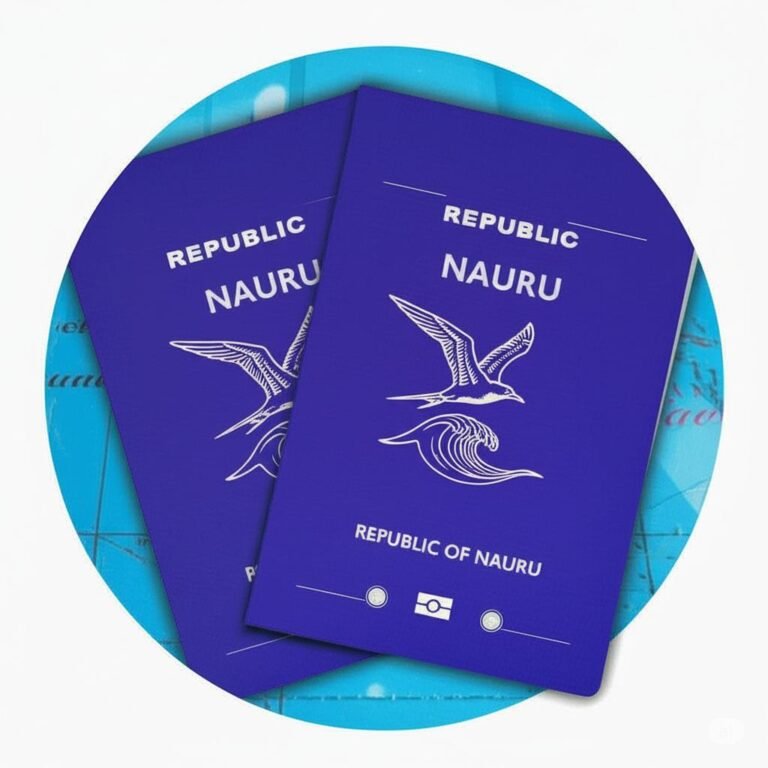
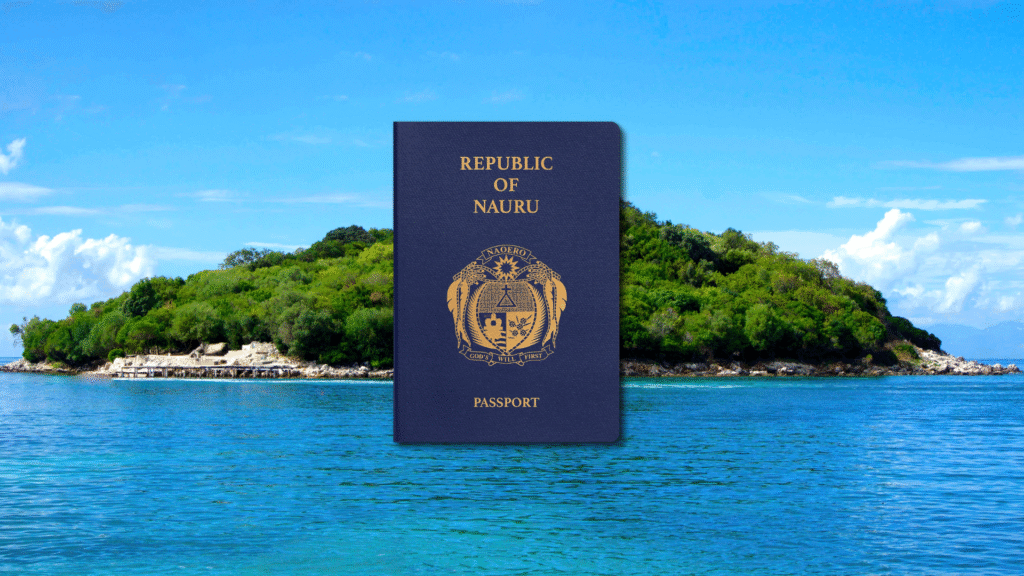
Exploring the Nauru Passport Benefits, Application, and Unique Facts

Exploring the Nauru Passport: Benefits, Application, and Unique Facts

The Nauru passport is a unique travel document that opens doors to various countries for its holders. This small island nation, located in the Pacific Ocean, is known for its rich history, unique culture, and, of course, its passport. For those looking to understand more about the Nauru passport, including its benefits and the application process, you can visit Nauru passport https://naurupassport.net. In this article, we will dive deep into the features and details associated with the Nauruan travel document.

What is a Nauru Passport?

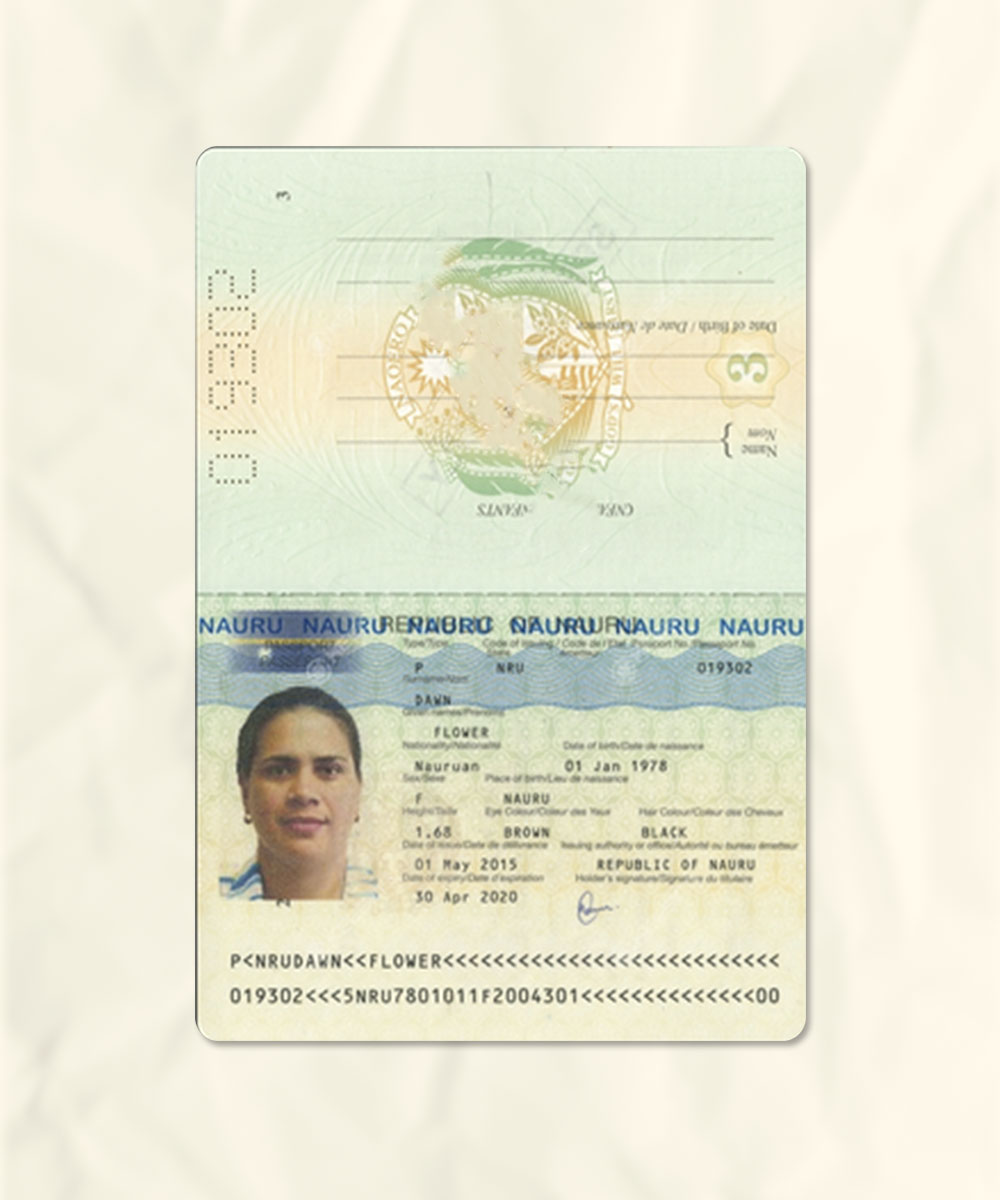
The Nauru passport is issued to citizens of Nauru, a small island country that is known for its phosphate mining and beautiful beaches. The passport allows Nauruan citizens to travel internationally and serves as proof of identity and nationality. With a population of just over 10,000 people, Nauru is one of the least populous countries in the world. Yet, its passport provides a surprising number of benefits, granting access to various countries without needing a visa or with visa-on-arrival options.

Benefits of Holding a Nauru Passport

Holders of a Nauru passport enjoy several advantages, primarily relating to international travel. Some of the key benefits include:

  • Visa-Free Travel: Nauru passport holders can travel to a number of countries without needing a visa. This includes several countries in the Asia-Pacific region, Europe, and even some parts of the Caribbean.
  • Visa on Arrival Options: For many destinations, Nauruan citizens can obtain a visa upon arrival, simplifying the travel process significantly.
  • Protection and Assistance: Nauru passport holders are entitled to consular support from Nauruan diplomatic missions worldwide.
  • Ability to Work Overseas: The passport can provide opportunities for Nauruan citizens to work in certain countries under various agreements.

Application Process for a Nauru Passport

To apply for a Nauru passport, citizens must follow a specific process designed to ensure authenticity and security. Here’s a brief overview of the application steps:

  1. Eligibility: Ensure that you are a citizen of Nauru, as only citizens can apply for this passport.
  2. Application Form: Obtain and fill out the official Nauru passport application form, which is available at the Nauruan immigration office or via the official website.
  3. Documentation: Provide necessary documents, including proof of citizenship (such as a birth certificate), identification documents (like a national ID), and any other required supporting materials.
  4. Photographs: Submit recent passport-sized photographs that meet the specifications laid out in the guidelines.
  5. Payment: Pay the applicable fees associated with the passport application.
  6. Submission: Submit your completed application along with all required documents at the designated passport office or embassy.

Processing Time

The processing time for a Nauru passport may vary based on numerous factors, including the volume of applications and verification processes. Typically, it can take anywhere from a few weeks to a couple of months. It’s advisable for applicants to check with local authorities for more accurate timing based on current circumstances.

Unique Aspects of the Nauru Passport

Besides its travel advantages, the Nauru passport is unique in several ways:

  • Design: Nauru passports often feature distinctive designs that showcase the nation’s cultural heritage, including colors and symbols that represent Nauru.
  • Limited Editions: At times, special edition passports may be issued to commemorate national events or significant milestones.
  • Environmental Considerations: As a nation that has faced environmental challenges due to phosphate mining, Nauru has made efforts to incorporate sustainable practices into passport production.

Conclusion

The Nauru passport represents more than just a travel document; it embodies the identity and spirit of the Nauruan people. As globalization continues to connect nations, having a Nauru passport offers its holders unique opportunities for travel and cultural exchange. If you are a Nauruan citizen or simply have an interest in passports and international travel, understanding the Nauru passport’s significance and benefits can enhance your appreciation for this fascinating little nation.

For more information about the Nauru passport and the application process, visit the official site or consult your local Nauruan embassy.

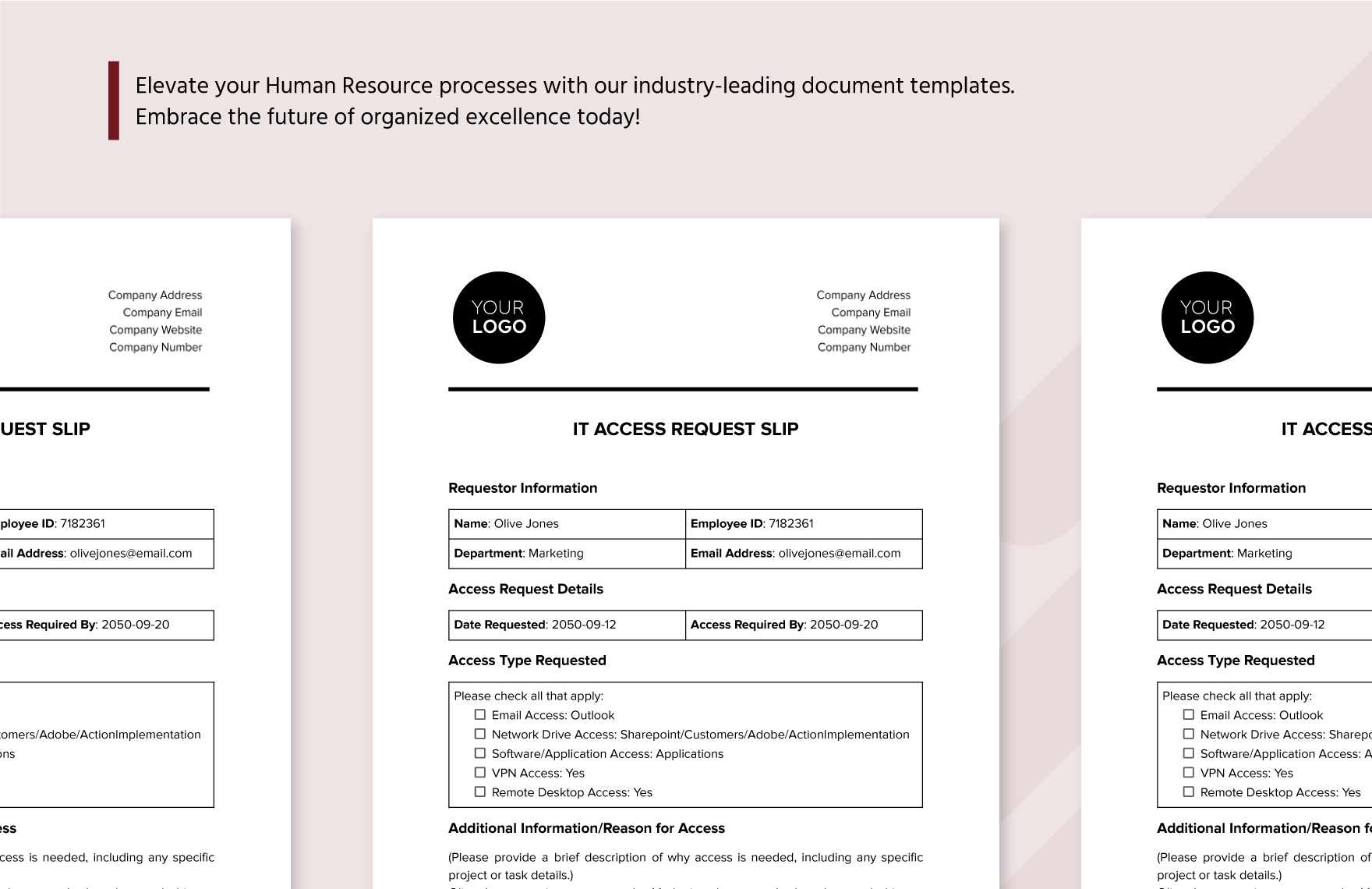
Understanding Access Requests A Comprehensive Guide 947381390

Access Requests: A Comprehensive Overview

In today’s digital age, the efficient management of information and access permissions is crucial for organizations. Access requests are formal requests made to gain permission to use certain resources or data within an organization. These requests play a key role in data security and compliance. In this article, we will delve into the intricacies of access requests, their significance, typical processes, best practices, and how organizations can streamline these requests. To further understand their relevance, consider looking into Access Request.

What is an Access Request?

An access request refers to a formal procedure through which an individual or a group seeks permission to access specific information, resources, or systems. The nature of these requests can vary significantly, ranging from IT systems access to sensitive data within an organization. The objective is typically to ensure that only authorized personnel have access to particular information, helping organizations maintain data integrity and confidentiality.

The Importance of Access Requests

Access requests are fundamental to maintaining security protocols within an organization. They help manage who can access sensitive information and ensure compliance with various regulatory frameworks, such as GDPR or HIPAA. By controlling access, organizations can minimize security risks, prevent data breaches, and safeguard their intellectual property. Additionally, well-structured access requests contribute to better resource management and operational efficiency.

The Access Request Process

The process for submitting an access request typically involves several steps:

  1. Identifying the Need: The requester must first determine why access is necessary and what specific resources or information they require.
  2. Filling Out the Request Form: Most organizations have a standardized access request form where details regarding the request must be specified, including the type of information, duration of access, and the justification for the request.
  3. Review and Approval: The request is then submitted to designated authorities (such as a manager, IT security team, or compliance officer) who evaluate the validity of the request based on organizational policies and data sensitivity.
  4. Granting Access: Once approved, the requestor is granted access in accordance with defined permissions. If denied, the requester should receive a detailed explanation of the decision.
  5. Monitoring and Auditing: Post-granting, access should be regularly monitored and audited to ensure adherence to access policies and to revoke permissions when they are no longer necessary.

Best Practices for Access Requests

To ensure a smooth and secure access request process, consider implementing the following best practices:

  • Clear Policies: Establish clear access request policies that outline the process, criteria for approval, and protocols for handling sensitive information.
  • Training and Awareness: Provide training for all employees on the importance of data security and the procedures for requesting access to sensitive information.
  • Role-Based Access Control: Utilize role-based access control (RBAC) to streamline the request process and ensure that employees only have access to the information necessary for their roles.
  • Automated Systems: Implement an automated access request system that can facilitate tracking, auditing, and approval processes efficiently.
  • Regular Audits: Conduct regular audits of access permissions to verify that they remain appropriate and that there are no unauthorized access points.

Challenges in Access Request Management

While access requests play a critical role in information security, managing these requests can present certain challenges:

  • Complexity: The complexity of different systems and the varying requirements for access can create confusion for requesters and approvers alike.
  • Sluggish approval processes can hinder productivity, particularly if requests require urgent attention.
  • Compliance Risks: Organizations must continually adapt to changing regulations. Non-compliance with access request protocols can result in hefty fines and legal implications.

Conclusion

Access requests are an essential component of information security in any organization. When implemented effectively, they safeguard sensitive data and ensure that only authorized personnel can access necessary resources. Through clear policies, training, and the use of technology, organizations can streamline the access request process and mitigate potential risks associated with unauthorized access. In an era where data breaches are increasingly common, adopting robust access management practices is not just prudent but necessary for protective measures in securing organizational assets and maintaining stakeholder trust.

Is Nauru Citizenship Worth the Investment Exploring the Pros and Cons

Is Nauru Citizenship Worth the Investment? Exploring the Pros and Cons

Nauru, a small island nation in the Pacific Ocean, has become a point of interest for investors looking into second citizenship options. As globalization continues to facilitate cross-border mobility, many individuals are weighing the benefits of citizenship in countries like Nauru. Is Nauru Citizenship Worth the Investment? In this article, we will explore the various dimensions of acquiring Nauru citizenship—from financial implications to lifestyle changes—to help potential investors make an informed decision.

Understanding Nauru Citizenship

Nauru citizenship is primarily obtained through a citizenship-by-investment program that is aimed at attracting foreign capital. Citizens of Nauru enjoy certain privileges, including the ability to live and work freely in the country and access Nauru’s facilities and services. However, keep in mind that Nauru is one of the least populous countries in the world, and its economy is heavily dependent on a small number of sectors.

The Financial Consideration

Investing in Nauru citizenship often requires a sizable financial commitment. Fees associated with the application process, due diligence, and government contributions can range from tens of thousands to hundreds of thousands of dollars. For many, this investment may seem steep, especially considering the relatively obscure international status of Nauru.

Cost vs. Value

When evaluating whether Nauru citizenship is worth the investment, one must weigh the costs against the potential benefits. The primary value often cited is the ability to access Nauru’s banking system, which may offer a measure of privacy and tax advantages, albeit limited. Additionally, Nauru’s status as a member of international organizations can provide certain diplomatic privileges.

Economic and Lifestyle Advantages

Nauru offers unique economic scenarios. For entrepreneurs and investors, the island can serve as a platform for business operations, especially in sectors like tourism and sustainable fishing. Furthermore, the political stability of Nauru, coupled with its positioning as a tax haven, may appeal to certain investors.

A Unique Lifestyle

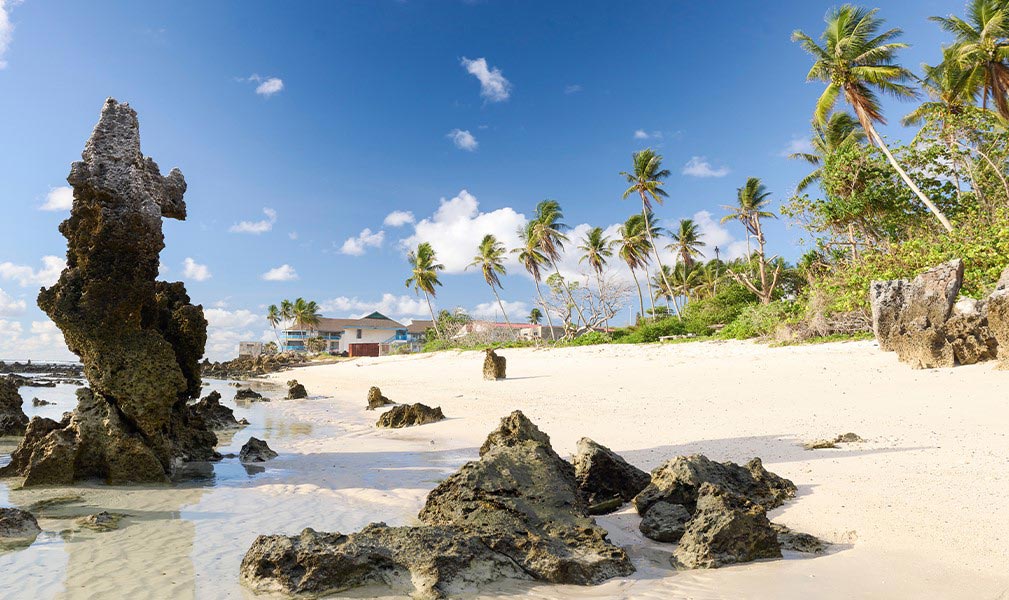
In terms of lifestyle, living in Nauru can offer an escape from the hustle and bustle of major urban centers. The island boasts stunning natural bea

uty, and the cost of living can be relatively low. However, one must also consider the trade-offs, such as limited access to advanced healthcare and educational facilities.

Social Aspects and Community

Being a citizen of Nauru means joining a small but tight-knit community. This offers a chance to immerse oneself in the local culture and traditions. However, foreigners should also be aware that adapting can take time, as the social norms differ significantly from those in larger nations.

Challenges and Drawbacks

No investment comes without its risks, and Nauru citizenship is no exception. The limited geographical size may restrict job opportunities and advance career growth for citizens in comparative terms. Moreover, the isolation of the island could pose challenges in maintaining familial and social connections with communities outside of Nauru.

Alternatives to Nauru Citizenship

Potential investors should evaluate alternatives that may offer similar benefits with lesser constraints. Many nations offer citizenship-by-investment programs with varying levels of investment. Countries like Malta, Portugal, or St. Kitts and Nevis are examples where diversifying investments could yield better returns in terms of access and lifestyle.

Conclusion: Is Nauru Citizenship Worth It?

Ultimately, the decision to pursue Nauru citizenship comes down to personal goals and circumstances. While it does offer a unique position in the global landscape, the investment must align with one’s broader financial and lifestyle aspirations. Interested parties should conduct thorough research and consider consulting with legal and financial advisors before making commitment. Therefore, assessing whether the advantages outweigh the drawbacks of Nauru citizenship becomes a matter of personal evaluation and strategic planning.

The Complex Landscape of UN Sanctions Removal 948876343

The removal of UN sanctions is a complex process that affects nations and organizations worldwide. Understanding the nuances of these sanctions and the removal process is crucial for affected entities. Many turn to specialized professionals for guidance, such as UN Sanctions Removal Sanctions Lawyers, who can help navigate the intricate legal landscape involved in sanction removal.

Understanding UN Sanctions

UN sanctions are measures taken by the United Nations to maintain or restore international peace and security. They are often imposed in response to threats such as terrorism, human rights violations, or the proliferation of weapons of mass destruction. Sanctions can vary widely in scope and can include economic restrictions, trade embargoes, travel bans, and arms prohibitions.

Types of UN Sanctions

Sanctions can be categorized into several types, including:

  • Economic sanctions: These measure restrict a country’s ability to access financial systems, trade, and investment opportunities.
  • Comprehensive sanctions: These involve broad restrictions on a country’s economy, often targeting specific sectors such as oil or arms.
  • Targeted sanctions: These focus on individuals or entities responsible for misconduct, such as government officials or corporations involved in illicit activities.
  • Travel bans: These prevent specific individuals from entering or transiting through certain countries.

The Process of Sanctions Removal

Removing UN sanctions involves a detailed process, often initiated by the affected state or entity. The steps generally include:

  1. Engagement with the UN Security Council: The state must engage with the Council to express its desire for sanctions removal, often backed by evidence demonstrating compliance with relevant resolutions.
  2. Monitoring and Reporting: The state may be required to demonstrate its adherence to any conditions set forth upon the initial sanctioning. This often includes reporting on specific actions taken to rectify previous violations.
  3. Negotiation: Countries may engage in negotiations to assure the global community of their commitment to international norms and to address concerns that led to the sanctions in the first place.

Challenges to Sanctions Removal

Despite the structured processes in place, several challenges can hinder the removal of UN sanctions:

  • Lack of Transparency: Negotiations often lack transparency, leading to speculation and distrust among member states.
  • Political Factors: Geopolitical tensions and rivalries can complicate the removal process, as countries may be hesitant to support an initiative perceived as advantageous to their rivals.
  • Compliance Verification: The UN must be convinced that the state has made sufficient changes and that any potential risks have been mitigated, which can be subjective and open to interpretation.

The Role of Legal Experts in Sanctions Removal

Given the complexity of sanctions and their removal, the role of legal experts cannot be underestimated. Sanctions Lawyers specialize in understanding the intricacies of sanctions law, providing legal guidance, and representing affected entities during negotiations.

These professionals help clients to:

  • Understand their legal standing and available options concerning sanctions.
  • Prepare necessary documentation and submissions to the UN Security Council.
  • Engage in negotiations on behalf of their clients, ensuring that their interests are effectively represented.
  • Monitor ongoing compliance with any stipulated sanctions conditions.

Case Studies

Several instances highlight the complexities of UN sanctions removal:

The Case of Iran

Iran faced years of sanctions due to its nuclear program. The removal process culminated in the Joint Comprehensive Plan of Action (JCPOA) in 2015. However, the complexities of international diplomacy made the situation challenging, leading to ongoing debates about compliance and the legitimacy of the sanctions.

The Case of Libya

After the fall of Muammar Gaddafi, Libya sought to have sanctions lifted. The country demonstrated significant reforms and cooperation with international bodies, resulting in a gradual removal of sanctions as it navigated the transitional period.

Future Directions in Sanctions Policy

The landscape of UN sanctions is continuously evolving. As international relations shift, so do the priorities of the UN and its member states. Key future considerations include:

  • Increased emphasis on targeted sanctions rather than comprehensive sanctions to minimize harm to civilian populations.
  • A more transparent process that allows for greater input from affected parties.
  • The development of clear benchmarks that define compliance and facilitate the removal process.

Conclusion

The removal of UN sanctions is fraught with legal, political, and operational complexities. While the processes are established, the realities of international relations can create significant hurdles. Engaging with experienced legal professionals is crucial for any entity wishing to navigate these waters and effectively advocate for their interests in the context of sanctions removal. As the geopolitical landscape changes, the frameworks governing sanctions and their removal will likely evolve, necessitating continuous dialogue and adaptation from all stakeholders.

Is Nauru Citizenship a Valuable Investment for Your Future

Is Nauru Citizenship a Valuable Investment for Your Future?

Nauru, a small island nation in the Pacific, has garnered attention for its citizenship program, which has raised questions about its worth and potential benefits. Many prospective investors and individuals seeking a second passport consider whether obtaining Nauru citizenship is a worthwhile endeavor. In this article, we will explore the intricate details, advantages, and drawbacks of acquiring citizenship in Nauru, linking you to a more comprehensive discussion on Is Nauru Citizenship Worth the Investment?.

An Overview of Nauru’s Citizenship Program

Nauru offers a citizenship by investment program that allows individuals to obtain citizenship through financial contributions to the nation’s development. The country’s strategic location, political stability, and commitment to attracting foreign investment make it an appealing choice for those seeking international mobility and alternative residency options.

Benefits of Nauru Citizenship

Acquiring Nauru citizenship comes with several advantages. Here are some of the most notable benefits:

1. Visa-Free Travel

One of the primary attractions of obtaining Nauru citizenship is the improved travel opportunities. Nauru passport holders enjoy visa-free or visa-on-arrival access to numerous countries, including several in Asia, Europe, and the Pacific region. This increased mobility can be invaluable for business or leisure travel.

2. Political Stability and Safety

Nauru is known for its political stability and low crime rate. For expatriates and investors, this aspect can provide reassurance in terms of safety for both personal and financial affairs. The peaceful environment can also be conducive to family life and long-term residency.

3. Tax Benefits

Nauru has a favorable tax regime, which can be particularly attractive to investors and business owners. With no personal income tax, capital gains tax, or inheritance tax, individuals can enjoy significant financial advantages while residing in the country.

4. Residency Options

Obtaining citizenship in Nauru provides a unique residency option in a small island nation. This can be particularly appealing to those looking to escape political unrest or heavy taxation in their home countries

.

Challenges of Acquiring Nauru Citizenship

While the benefits are appealing, there are also challenges associated with acquiring Nauru citizenship that must be considered:

1. Limited Global Recognition

Nauru is not widely known, and its passport may not carry the same weight as those from more prominent countries. This can lead to challenges in international travel or recognition of citizenship in specific jurisdictions. Potential citizens should evaluate the practical implications of carrying a Nauru passport thoroughly.

2. Economic Dependence

Nauru’s economy is significantly dependent on phosphate mining and limited tourism, making it vulnerable to economic fluctuations. Prospective citizens should consider the sustainability of the local economy and potential risks associated with economic instability.

3. Cultural and Geographic Isolation

Nauru’s geographic location can make it challenging to access other countries. The island nation is relatively isolated, which may impact lifestyle and access to amenities that are more readily available in larger, more developed countries.

Financial Investment Required

The financial investment necessary to obtain Nauru citizenship is another crucial factor to consider. The investment can vary depending on the specific program or investment opportunity available at the time. It’s essential for prospective citizens to conduct thorough research on the options and understand the total costs involved.

Conclusion

In summary, whether Nauru citizenship is worth the investment greatly depends on individual circumstances and priorities. The benefits of improved travel opportunities, political stability, tax advantages, and unique residency options can be compelling. However, the challenges of limited global recognition, economic dependence, and geographic isolation must also be factored into the decision-making process.

For those considering this path, it’s advisable to consult with legal and financial professionals familiar with Nauru’s citizenship requirements and implications. Ultimately, a well-informed decision will help prospective citizens evaluate if the investment aligns with their long-term goals and aspirations.

Discover the Details of the Sao Tome NTF Program

Sao Tome NTF Program Details: Everything You Need to Know

If you’re considering investing in a second passport, the Sao Tome NTF Program Details Sao Tome CBI program offers unique advantages. One standout option within this is the NTF (Non-Taxable Fund) program. Understanding the details of this initiative is crucial for prospective investors. This article will explore the key features, eligibility requirements, benefits, and potential drawbacks of the Sao Tome NTF program.

What is the Sao Tome NTF Program?

The Sao Tome NTF program is part of the country’s Citizenship by Investment (CBI) initiative, allowing investors and their families to acquire citizenship in exchange for a financial contribution to the state. Unlike traditional investment opportunities, the funds contributed under this program are often directed towards national development projects, promoting socio-economic growth in Sao Tome and Principe.

Key Features of the NTF Program

  • Direct Contribution: Investors are required to make a significant non-taxable contribution to the government’s fund, which is utilized for development purposes.
  • Processing Time: The NTF program offers relatively fast processing times, with approvals typically taking between 2 to 6 months.
  • No Residency Requirement: Investors need not reside in Sao Tome to qualify for citizenship, making it an attractive option for those seeking flexibility.
  • Family Inclusion: The NTF program allows investors to include qualifying family members in their applications, which can encompass spouses, children, and even parents in certain cases.
  • Global Mobility: Sao Tome citizens enjoy visa-free or visa-on-arrival access to numerous countries, enhancing their global mobility.

Eligibility Requirements

To be eligible for the Sao Tome NTF program, applicants must meet the following criteria:

  1. The applicant must be over 18 years old.
  2. Applicants must provide a clean criminal record.
  3. Proof of the origin of funds used in the investment must be presented, ensuring transparency.
  4. Health insurance coverage for the applicant and dependents is mandatory.

Investment Amount

The financial contribution required for the NTF program varies depending on the number of dependents included in the application. As of recently available data, the contribution usually starts at around $150,000 for a single applicant. Additional fees may apply for dependents, with a structured increment based on the number of family members included in the application.

Benefits of the NTF Program

Investing in the Sao Tome NTF program encompasses various advantages besides obtaining citizenship:

  • Political Stability: Sao Tome and Principe is regarded as a politically stable nation, minimizing risks related to investment and residency.
  • Beautiful Environment: The islands offer stunning natural beauty, with rich biodiversity and favorable climate conditions, making it an appealing location for investors.
  • Cultural Richness: Sao Tome is known for its vibrant culture and diverse heritage, providing a unique living experience for new citizens.
  • Economic Opportunities: By contributing to national development, investors can potentially influence and benefit from the economic growth initiated through their contributions.

Comparison with Other CBI Programs

When compared to other Citizenship by Investment (CBI) programs in the Caribbean, Sao Tome and Principe’s NTF program offers a compelling blend of affordability and fast processing. Some traditional CBI programs require larger investments and longer waiting periods, making the NTF program an attractive alternative for many investors.

Potential Drawbacks

As with any investment, there are risks involved. Some potential drawbacks of the Sao Tome NTF program may include:

  • Limited Recognition: Sao Tome’s citizenship may not be as widely recognized compared to more established CBI programs in countries like St. Kitts and Nevis or Dominica.
  • Language Barrier: Portuguese is the official language, which could pose challenges for non-Portuguese speakers.
  • Investment Uncertainty: As funds are directed towards national projects, the success of these initiatives can vary, leading to uncertainty regarding the immediate impact of investment.

Application Process

The application for the Sao Tome NTF program typically involves the following steps:

  1. Consultation: Engage with a certified CBI advisor to discuss the details and prepare necessary documentation.
  2. Submission: Complete the application form and submit it along with supporting documents.
  3. Due Diligence: The government conducts thorough due diligence checks to verify the applicant’s background.
  4. Approval: Upon successful vetting, the application is approved, and the applicant is notified.
  5. Payment: The investment contribution is made to finalize the process.
  6. Citizenship Certificate: After processing, the applicant receives their citizenship certificate, officially granting them rights as a citizen of Sao Tome and Principe.

Conclusion

The Sao Tome NTF program represents an enticing opportunity for individuals looking to secure a second citizenship with a focus on investment in national development. While it offers several advantages, including a straightforward application process and a familial approach to citizenship, potential investors should weigh the risks and conduct thorough due diligence. In a world where global mobility is increasingly valued, programs like Sao Tome’s NTF can prove to be invaluable tools for those seeking new horizons.

Evaluating the Value of Sao Tome Citizenship

In recent years, the concept of obtaining second citizenship has gained immense popularity among individuals seeking greater freedom, security, and opportunities. One such avenue that has emerged is the citizenship program of São Tomé and Príncipe, a small island nation located in the Gulf of Guinea. But the question remains: Is Sao Tome Citizenship Worth the Investment? This article delves into the potential advantages, disadvantages, and unique aspects of acquiring citizenship in this Lesser Antilles nation.

São Tomé and Príncipe, known for its stunning landscapes, rich culture, and friendly locals, offers a unique Caribbean experience. The citizenship by investment (CBI) program is designed to attract foreign investors by providing them with opportunities to become citizens in exchange for significant financial contributions. The most common methods of gaining citizenship include real estate investment, donation to the national development fund, and investing in government bonds.

Understanding the Citizenship by Investment Program

Launched in 2012, the São Tomé and Príncipe citizenship by investment program aims to foster economic growth through foreign investment. Applicants are required to fulfill specific financial commitments that contribute to the country’s development. The program is relatively straightforward and appeals to investors looking for a quick pathway to citizenship.

The investment levels vary depending on the option chosen; typically, a donation to the national development fund requires a contribution starting at around $25,000, while real estate investments are significantly higher, often beginning at around $200,000 or more. Given the nation’s serene environment and tourism potential, many investors find these financial commitments feasible.

Benefits of São Tomé Citizenship

The benefits of obtaining citizenship in São Tomé and Príncipe extend beyond mere legal status. Here are some compelling advantages:

  • Visa-Free Travel: São Tomé passport holders can enjoy visa-free or visa-on-arrival access to several countries, enhancing travel opportunities.
  • Tax Benefits: Saint Tomé offers appealing tax incentives for foreign investors, including limited taxation on foreign income.
  • Stable Environment: Politically, São Tomé is stable, providing a sense of security for expatriates and investors.
  • Low Cost of Living: Compared to many Western countries, the cost of living in São Tomé is relatively low, making it an attractive option for relocation.
  • Rich Cultural Diversity: With its unique blend of African and Portuguese influences, the country offers a vibrant culture and heritage.

Challenges and Considerations

While the benefits are appealing, potential investors should also be aware of the challenges they may encounter:

  • Infrastructure Limitations: As a developing nation, infrastructure, such as transportation and healthcare, may not be as advanced as in more developed countries.
  • Economic Fluctuations: The local economy is heavily dependent on agriculture and tourism, making it vulnerable to global economic changes.
  • Regulatory Environment: Navigating the legalities and regulations surrounding investment may be complex and requires expert guidance.

Life in São Tomé and Príncipe

One of the most alluring aspects of gaining citizenship in São Tomé and Príncipe is the opportunity to experience life in this beautiful island nation. The islands boast stunning beaches, lush rainforests, and a relaxed pace of life. Locals are known for their hospitality, making it easy to build a sense of community.

Furthermore, the country is rich in biodiversity, with numerous endemic species making it a haven for nature enthusiasts and ecotourists. Whether it’s hiking through the mountainous terrain, exploring the pristine beaches or engaging with the local fishing communities, São Tomé and Príncipe offers a unique lifestyle that appeals to many.

Conclusion

In conclusion, the investment required for acquiring São Tomé citizenship can be seen as worthwhile for those looking for an opportunity to enhance their global mobility, reduce their tax liabilities, and experience life in an emerging paradise. However, it’s crucial for potential investors to carry out thorough research, consider the challenges, and consult with experts before committing to the citizenship process.

Whether the citizenship is worth it for you will depend on your unique circumstances, investment goals, and lifestyle aspirations. For many, the beauty and tranquility of São Tomé and Príncipe may provide just the opportunity they are seeking.

Discovering Vanuatu Citizenship by Investment A Pathway to a New Life

Vanuatu Citizenship by Investment: Your Gateway to Global Opportunities

If you’re considering a unique investment opportunity that offers more than just financial gains, Vanuatu citizenship by investment is an enticing option. This program allows individuals to acquire citizenship through a direct financial contribution to the nation’s economy, unlocking a blend of numerous advantages, including visa-free travel to over 130 countries, favorable tax regimes, and a safer living environment in one of the world’s most beautiful archipelagos.

Understanding the Vanuatu Citizenship by Investment Program

The Vanuatu citizenship by investment program has gained considerable attention in recent years due to its efficiency and the benefits it provides. Launched in 2017, this program offers a straightforward path to obtaining citizenship for investors. To qualify, applicants must make a significant economic contribution, typically through a government-approved development fund contribution.

Investment Options

The Vanuatu government offers several investment options under its citizenship by investment program. The most common route involves making a monetary donation to the Vanuatu National Development Fund (VNDF). As of recent updates, the minimum contribution amounts to around $130,000 for a single applicant. This amount increases with the addition of dependents (spouse and children).

Benefits of Vanuatu Citizenship

Obtaining Vanuatu citizenship through investment comes with an array of benefits. Here are some of the most notable:

  • Visa-Free Travel: Vanuatu passport holders enjoy visa-free or visa-on-arrival access to over 130 countries, including the Schengen Zone, the UK, and many Commonwealth nations.
  • Tax Advantages: Vanuatu is known for its favorable tax regime, with no capital gains tax, estate tax, or income tax for foreign residents, making it an attractive location for investors.
  • Dual Citizenship: Vanuatu allows dual citizenship, meaning you can retain your original nationality while enjoying the advantages of Vanuatu citizenship.
  • Quality of Life: With stunning natural beauty, a warm climate, and a laid-back lifestyle, Vanuatu is an attractive place to live and raise a family.
  • Fast Processing: The application process for Vanuatu citizenship by investment is efficient, typically taking between 30 to 60 days once all documentation is submitted.

Application Process

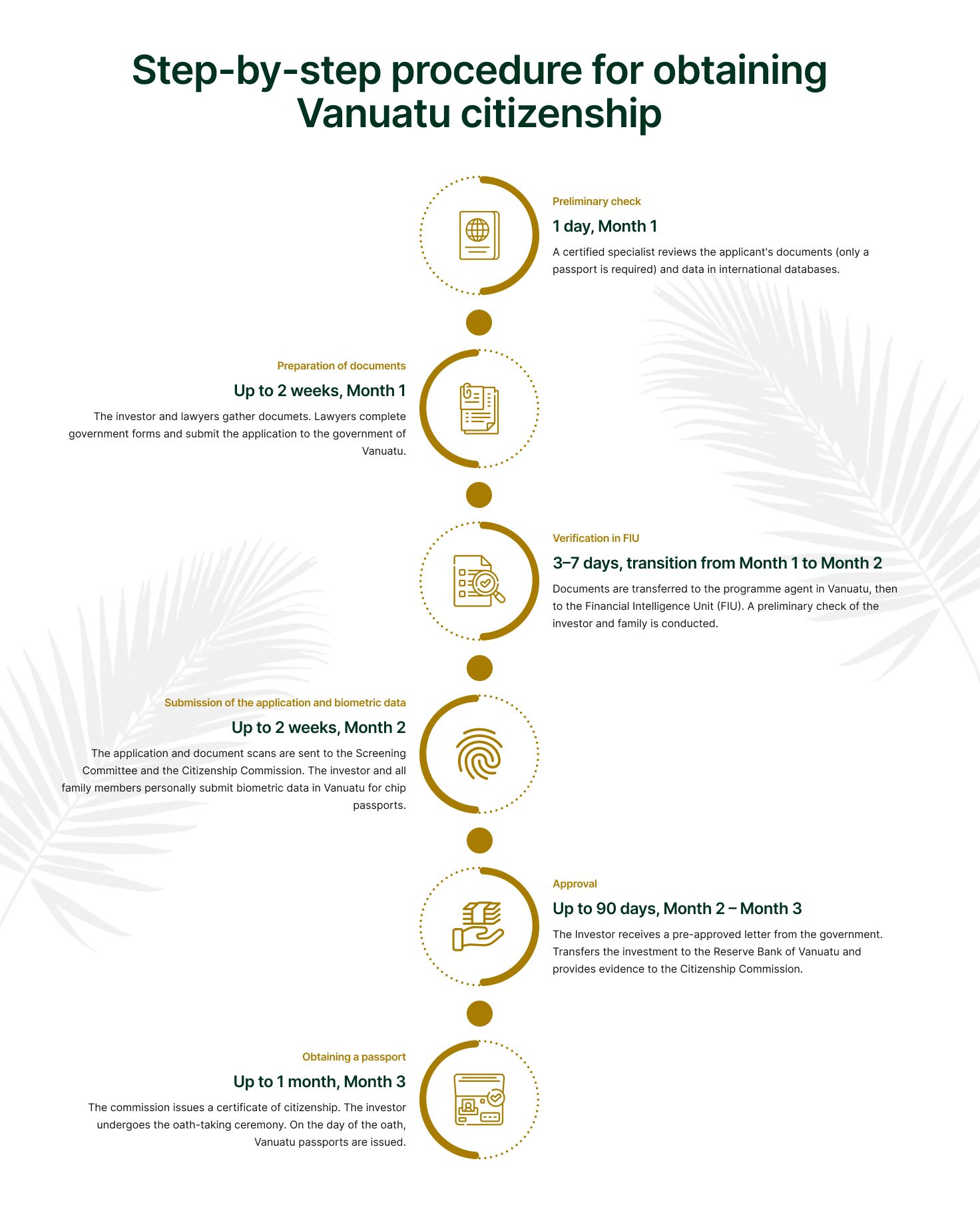
The application process for gaining Vanuatu citizenship through investment is relatively straightforward:

  1. Choose a Reputable Agent: Due to the complexities involved, it’s highly recommended to engage with an authorized agent who specializes in Vanuatu citizenship applications.
  2. Gather Documentation: Prepare the necessary documentation, including identification, proof of funds, criminal record checks, and health certificates.
  3. Submit Application: Your agent will help you submit the application along with the required fees and the investment contributions.
  4. Application Review: The Vanuatu Citizenship Commission reviews your application. This process can take anywhere from 30 to 60 days.
  5. Receive Citizenship: Upon approval, you will receive your citizenship certificate and passport. You can also have your family included in your application.

Considerations before Investing

While Vanuatu offers a pathway to citizenship, potential investors should consider the following:

Legitimacy and Compliance

Investors must ensure that they engage a registered and reputable agent to avoid pitfalls. Compliance with the laws and regulations of both Vanuatu and their home country is crucial.

Investment Overheads

Beyond the contribution to the VNDF, there are additional fees for processing, due diligence checks, and legal advisory services that should be factored into your investment budget.

Long-Term Commitment

Vanuatu’s citizenship has many advantages, but it’s important to consider your long-term plans. Ensure that your lifestyle and investment goals align with what Vanuatu offers.

Lifestyle in Vanuatu

Vanuatu boasts a diverse culture, beautiful landscapes, and warm, friendly locals. With a modest population and a range of outdoor activities such as snorkeling, diving, and hiking, you’ll likely find a welcoming environment that is ideal for both families and individuals seeking tranquility.

Education and Healthcare

Vanuatu has made efforts to improve its educational and healthcare systems. While international schools are available, and health services are improving, it’s wise to research what facilities and schooling options may be available in your chosen area.

Conclusion

The Vanuatu citizenship by investment program is a compelling option for those looking to enhance their global mobility while enjoying the natural beauty and slower pace of life in the South Pacific. If you’re ready to take the next step toward obtaining a second citizenship in an idyllic location, exploring this program could be your gateway to freedom and new opportunities.

For more information, visit the official website to understand the details and begin your journey toward Vanuatu citizenship through investment.

Kosten des Vanuatu Passes Eine umfassende Analyse

Die Kosten des Vanuatu Passes sind ein häufiges Thema für viele, die eine zweite Staatsbürgerschaft oder einen Reisepass in Betracht ziehen. Kosten des Vanuatu Passes spielen eine entscheidende Rolle bei der Entscheidungsfindung, daher sollten Interessierte die verschiedenen Aspekte und Entwicklungen im Zusammenhang mit diesem Reisepass sorgfältig abwägen. In diesem Artikel erfahren Sie, was der Vanuatu Pass ist, welche Kosten damit verbunden sind und welche Faktoren die Gesamtkosten beeinflussen können.

Was ist der Vanuatu Pass?

Der Vanuatu Pass wird von der Regierung von Vanuatu ausgegeben und bietet den Inhabern zahlreiche Vorteile, darunter visafreie Reisen in über 130 Länder und eine attraktive Steuerpolitik. Vanuatu ist ein kleiner Inselstaat im Südpazifik, der für seine paradiesischen Strände und seine freundliche Bevölkerung bekannt ist. Der Reisepass ist besonders beliebt bei Investoren und denjenigen, die eine zweite Staatsbürgerschaft anstreben, um internationale Reisefreiheiten zu genießen.

Kosten des Vanuatu Passes

Die Kosten des Vanuatu Passes können variieren und hängen von mehreren Faktoren ab. Zu den Hauptkosten, die Sie berücksichtigen sollten, gehören:

  • Antragsgebühren: Die offiziellen Gebühren für die Beantragung eines Vanuatu Passes liegen in der Regel im Bereich von 130.000 bis 150.000 US-Dollar. Diese Gebühren können je nach Anbieter und speziellen Dienstleistungen variieren.
  • Beratungsgebühren: Viele Antragsteller wählen die Dienste von Anwaltskanzleien oder Agenturen in Anspruch, die auf Staatsbürgerschafts- und Investitionsprogramme spezialisiert sind. Die Kosten für diese Dienste können zwischen 10.000 und 50.000 US-Dollar liegen, abhängig von der Komplexität des Antrags.
  • Investitionsbeträge: Um die Staatsbürgerschaft zu erlangen, sind oft Mindestinvestitionen in Höhe von 200.000 US-Dollar erforderlich, die in staatlich zugelassene Projekte oder Fonds fließen müssen.
  • Zusätzliche Kosten: Dazu gehören Reisekosten, Ausgaben für Dokumente, Notarkosten und Gebühren für die Apostille.

Warum einen Vanuatu Pass beantragen?

Die Vorteile eines Vanuatu Passes können die hohen Kosten rechtfertigen. Einige der wichtigsten Vorteile umfassen:

  • Visafreies Reisen: Vanuatu Passinhaber können ohne Visum in viele Länder reisen, darunter die EU, das Schengen-Gebiet und viele asiatische Staaten.
  • Steuervorteile: Vanuatu erhebt keine Einkommenssteuer, was es zu einem attraktiven Standort für Investoren und Unternehmer macht.
  • Schutz vor politischen und wirtschaftlichen Unruhen: Eine zweite Staatsbürgerschaft bietet einen Schutzschild gegen Unsicherheiten im Heimatland.
  • Einfacher Antragsprozess: Der Prozess zur Erlangung des Vanuatu Passes ist relativ unkompliziert und schnell im Vergleich zu anderen Ländern.

Der Antragsprozess für den Vanuatu Pass

Der Prozess zur Beantragung eines Vanuatu Passes umfasst mehrere Schritte:

  1. Beratung: Wählen Sie eine Agentur oder Kanzlei aus, die Sie während des gesamten Prozesses berät.
  2. Vorbereitung der Unterlagen: Sammeln Sie alle notwendigen Dokumente, darunter Geburtsurkunden, Passkopien und Nachweise über finanzielle Mittel.
  3. Einreichung des Antrags: Der Antrag wird bei der entsprechenden Behörde in Vanuatu eingereicht.
  4. Prüfung des Antrags: Die Behörden führen eine eingehende Überprüfung durch, bevor sie die Genehmigung erteilen.
  5. Erhalt des Passes: Nach Genehmigung wird der Reisepass ausgestellt und Ihnen zugestellt.

Fazit

Die Kosten des Vanuatu Passes können hoch erscheinen, jedoch bietet der Pass auch viele Vorteile, die ihn zu einer lohnenswerten Investition machen können. Die Möglichkeit, visafrei zu reisen, der Schutz vor politischen Unruhen und die steuerlichen Vorteile sind nur einige der Gründe, warum immer mehr Menschen einen Vanuatu Pass in Betracht ziehen. Wenn Sie daran denken, einen Vanuatu Pass zu beantragen, ist es ratsam, alle Kosten genau zu kalkulieren und sich von Experten im Bereich Staatsbürgerschaft beraten zu lassen. Eine gut informierte Entscheidung wird Ihnen helfen, optimal von den Vorteilen des Vanuatu Passes zu profitieren.