fbpx

Robocat Ο Κόσμος των Ρομπότ Γατών (3)

Στον κόσμο της ρομποτικής, οι robocats ξεχωρίζουν ως μία από τις πιο εντυπωσιακές και καινοτόμες εφαρμογές. Αυτοί οι ρομποτικοί γάτοι δεν είναι μόνο σχεδιασμένοι για να εντυπωσιάζουν, αλλά και για να παρέχουν διάφορες λειτουργίες που μπορεί να είναι χρήσιμες στην καθημερινή ζωή. Μπορείτε να βρείτε περισσότερες πληροφορίες στο robocat casino, που συνδυάζει την ψυχαγωγία με την τεχνολογία. Σε αυτή την άρθρο, θα εξετάσουμε τη διείσδυση της ρομποτικής τεχνολογίας, την εξέλιξή της και πώς αυτή μπορεί να επηρεάσει το μέλλον.

Η Ιστορία των Ρομπότ Γατών

Η έννοια του ρομπότ γάτας δεν είναι καινούργια, ωστόσο η τεχνολογία που την υποστηρίζει έχει προχωρήσει θεαματικά τα τελευταία χρόνια. Από τα πρώτα πειραματικά μοντέλα, των οποίων οι δυνατότητες περιορίζονταν σε απλές κινήσεις, μέχρι τη σημερινή εποχή όπου οι robocats μπορούν να αλληλεπιδρούν με τους ανθρώπους και να εκτελούν πολύπλοκες ενέργειες, η εξέλιξη είναι εντυπωσιακή. Ο σχεδιασμός τους περιλαμβάνει προηγμένα συστήματα αισθητήρων και αλγόριθμους τεχνητής νοημοσύνης που τους επιτρέπουν να μαθαίνουν και να προσαρμόζονται στο περιβάλλον τους.

Οι Χρήσεις των Robocats

Οι robocats έχουν πολλές εφαρμογές, από την εκπαίδευση μέχρι τη ψυχαγωγία. Στα εκπαιδευτικά ιδρύματα, χρησιμοποιούνται για να διδάξουν στους μαθητές έννοιες της ρομποτικής και του προγραμματισμού. Στην ψυχαγωγία, οι robocats προσελκύουν την προσοχή του κοινού με τις διαδραστικές δυνατότητές τους. Στον τομέα του καζίνο, όπως στο robocat casino, οι ρομπότ γάτοι πρωταγωνιστούν σε παιχνίδια που συνδυάζουν τη τύχη με την τεχνολογία.

Τεχνολογία και Καινοτομία

Η ανάπτυξη της τεχνολογίας που σχετίζεται με τους robocats αντλεί έμπνευση από τη φύση. Μηχανικοί και επιστήμονες μελετούν τα φυσικά χαρακτηριστικά και τις συμπεριφορές πραγματικών γατών για να μπορέσουν να δημιουργήσουν όσο το δυνατόν πιο ρεαλιστικά ρομπότ. Οι δυνατότητες αυτές περιλαμβάνουν τη δυνατότητα αναγνώρισης φωνής, την εκτέλεση παραγγελιών και την αλληλεπίδραση με τους χρήστες με φυσικό τρόπο. Επιπλέον, η τεχνητή νοημοσύνη και οι αλγόριθμοι μηχανικής μάθησης παρέχουν τη βάση για την αυτόνομη λειτουργία τους.

Η Ψυχαγωγία και τα Robocats

Στον κόσμο της ψυχαγωγίας, οι robocats παίζουν σημαντικό ρόλο. Από τη συμμετοχή τους σε θεάματα και παραστάσεις μέχρι την εμφάνισή τους σε δημοφιλή βιντεοπαιχνίδια και ταινίες, οι ρομπότ γάτοι έχουν καταστεί εμβληματικοί χαρακτήρες. Η ικανότητά τους να εκφ

ράζουν συναισθήματα και να αλληλεπιδρούν με τους ανθρώπους τα καθιστά ιδιαίτερα ελκυστικά για το κοινό, ενώ οι τεχνολογικές εξελίξεις δίνουν τη δυνατότητα για ακόμα πιο εντυπωσιακές παραστάσεις.

Οι Προκλήσεις της Ρομποτικής

Παρά την εντυπωσιακή πρόοδο στην τεχνολογία, υπάρχουν και πολλές προκλήσεις που πρέπει να αντιμετωπιστούν. Οι κατασκευαστές και οι ερευνητές εργάζονται για να βρουν λύσεις σε ζητήματα όπως η ασφάλεια, η ηθική και η αποδοτικότητα των ρομποτικών συστημάτων. Ειδικότερα, απαιτείται προσοχή στην προστασία των προσωπικών δεδομένων και στη διαδικασία λήψης αποφάσεων από τα ρομπότ. Η διασφάλιση ότι οι robocats θα χρησιμοποιούνται με ηθικό και υπεύθυνο τρόπο είναι ζωτικής σημασίας για τη μακροχρόνια επιτυχία τους.

Το Μέλλον των Robocats

Με την συνεχιζόμενη πρόοδο της τεχνολογίας, το μέλλον των robocats φαίνεται λαμπρό. Αναμένονται περαιτέρω εξελίξεις που θα διευρύνουν τη χρήση τους σε διάφορους τομείς, συμπεριλαμβανομένης της υγειονομικής περίθαλψης, της εκπαίδευσης και της ψυχαγωγίας. Κάθε νέα καινοτομία ανοίγει νέες προοπτικές για την αλληλεπίδραση ανθρώπου-ρομπότ και την εξερεύνηση νέων εφαρμογών της ρομποτικής. Οι robocats μπορούν να γίνουν σύμμαχοι στα χέρια μας, προσφέροντας ανακούφιση, ψυχαγωγία και εκπαιδευτικές ευκαιρίες.

ΣυμπConclusion

Ο κόσμος των robocats είναι γεμάτος δυνατότητες και προκλήσεις. Αυτά τα έξυπνα ρομπότ αποτελούν αναπόσπαστο κομμάτι της σύγχρονης τεχνολογίας και της κοινωνίας μας. Με τη συνεχή πρόοδο στην ρομποτική, την τεχνητή νοημοσύνη και την αλληλεπίδραση ανθρώπου-ρομπότ, αναμένουμε να δούμε πώς οι robocats θα συνεχίσουν να εξελίσσονται και να επηρεάζουν τη ζωή μας. Είτε πρόκειται για ψυχαγωγία, εκπαίδευση ή οποιαδήποτε άλλη μορφή αλληλεπίδρασης, οι robocats θα παραμείνουν στην αιχμή της τεχνολογίας.


Empowering Voices The Role of a Human Rights Lawyer

The role of a human rights lawyer Human Rights Lawyer is essential in the quest for justice and equality. These legal professionals specialize in protecting individuals’ rights and fighting against injustices perpetrated by individuals, organizations, or governments. Their work is not only crucial for the clients they represent but for society as a whole, as they strive to uphold the standards set forth by international human rights laws.

Understanding Human Rights Law

Human rights law refers to a body of international law designed to promote and protect fundamental freedoms and rights. This area of law encompasses treaties, customary international law, and domestic legislation that dictates the rights of individuals and groups. The primary purpose of human rights law is to ensure that all individuals can enjoy their basic rights despite their race, gender, nationality, or social background.

The Responsibilities of a Human Rights Lawyer

A human rights lawyer has a variety of responsibilities that can be broadly categorized into several areas:

  • Legal Representation: Human rights lawyers provide legal representation to individuals or groups whose rights have been violated. This can involve cases of discrimination, torture, unlawful detention, and other rights abuses.
  • Advocacy: They advocate for policy changes and reforms to improve human rights protections. This can include lobbying government officials, working with NGOs, and participating in public campaigns.
  • Public Education: Human rights lawyers often engage in public education efforts to raise awareness about human rights issues and the legal frameworks that protect them.
  • Research and Documentation: The collection of evidence, documentation of human rights abuses, and conducting legal research are vital tasks that help build strong cases and promote accountability.

The Impact of Human Rights Lawyers

The impact of human rights lawyers cannot be overstated. Their work can lead to significant legal victories that change lives and set important precedents. For instance, landmark cases can lead to changes in laws or policies that enhance protections for marginalized groups. Additionally, the work of human rights lawyers can raise public awareness and stimulate social movements, driving systemic change.

Challenges Faced by Human Rights Lawyers

Despite their vital role, human rights lawyers often face numerous challenges, including:

  • Threats and Intimidation: In many parts of the world, human rights lawyers are targets of harassment, threats, and even violence for their work. This can create a climate of fear that hinders their ability to advocate effectively.
  • Limited Resources: Many human rights organizations operate on shoestring budgets, which can limit their capacity to take on cases, conduct research, and advocate for policy changes.
  • Political Interference: In authoritarian regimes, human rights lawyers often face political obstacles, including restrictive laws and government surveillance, making their work more difficult and dangerous.

How to Become a Human Rights Lawyer

For those interested in pursuing a career in human rights law, the path typically involves the following steps:

  • Obtain a Law Degree: The first step is to complete a law degree from an accredited institution. This can be followed by specializing in human rights law through electives or additional certifications.
  • Gain Experience: Internships and volunteer work with NGOs, human rights organizations, or legal clinics can provide invaluable experience and insight into the field.
  • Network: Building connections with professionals in the field can open up opportunities and provide mentorship. Attending conferences, joining bar associations, and participating in workshops can help in this regard.
  • Stay Informed: Human rights law is continually evolving; thus, it is essential to stay updated on new developments, landmark cases, and international treaties.

Prominent Human Rights Lawyers

Throughout history, various human rights lawyers have made significant contributions to the field. Some notable figures include:

  • Nelson Mandela: Before becoming the president of South Africa, he was a human rights lawyer who dedicated his life to fighting apartheid.
  • Ayaan Hirsi Ali: A prominent advocate for women’s rights and freedom of speech, her work emphasizes the importance of protecting individual rights against oppressive practices.
  • Ruth Bader Ginsburg: A U.S. Supreme Court Justice, she played a vital role in advancing gender equality and women’s rights throughout her legal career.

The Future of Human Rights Law

The future of human rights law is intrinsically tied to social justice movements, technological advancements, and global cooperation. As societies become increasingly aware of the significance of human rights, the role of human rights lawyers will likely expand. Cases involving digital rights, environmental justice, and refugee protections are becoming increasingly prevalent, necessitating a dynamic approach to human rights law.

Conclusion

Human rights lawyers are at the forefront of the battle for justice and equality. Their expertise and dedication make them instrumental in protecting the rights of those who are marginalized and victimized. Despite the challenges they face, human rights lawyers continue to strive for a world where human dignity is upheld, and fundamental freedoms are universally recognized and respected. As they navigate complex legal landscapes and advocate for change, the commitment of these legal champions remains paramount in the ongoing struggle for human rights worldwide.

Navigating the Complexities of International Sanctions Litigation and Appeals

Navigating the Complexities of International Sanctions Litigation and Appeals

International sanctions have become a significant tool for governments and international organizations to influence the behavior of states and non-state actors. As these sanctions increase in prevalence and complexity, so does the necessity for legal experts in the realm of International Sanctions Litigation & Appeals. This article provides an overview of the key features of sanctions litigation and the appeal processes associated with them, exploring the major challenges and strategies for effectively navigating this complex field.

Understanding International Sanctions

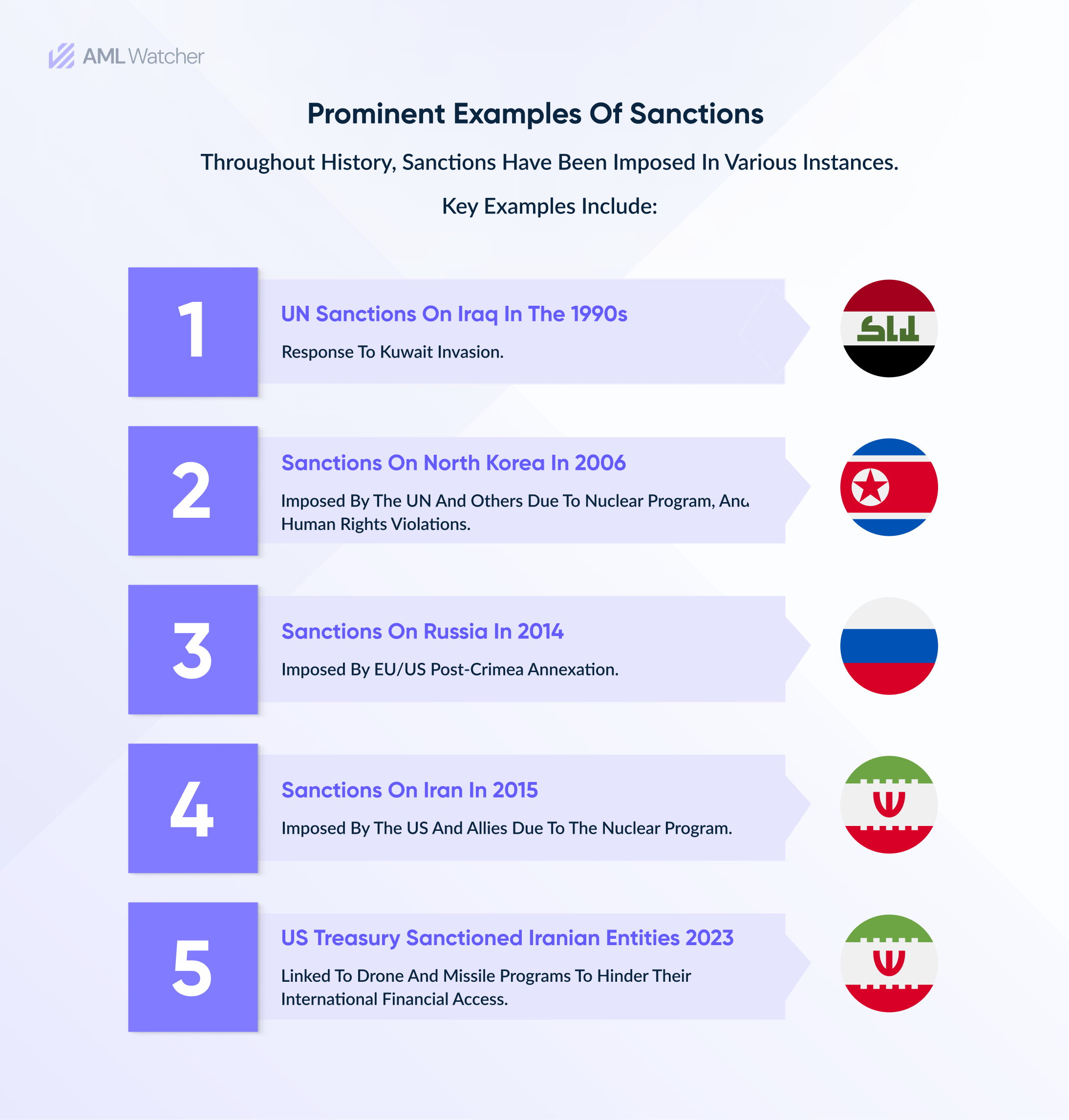
Sanctions are measures imposed by countries or international bodies to enforce international law or to alter the behavior of specific actors in the global arena. They may take various forms, including economic sanctions, trade restrictions, arms embargoes, or travel bans. In recent years, sanctions have particularly targeted countries suspected of human rights violations, terrorism, or nuclear proliferation. The legal basis for these sanctions often derives from international treaties and national laws, making compliance and enforcement complicated.

The Legal Framework

International sanctions are typically imposed under specific legal frameworks. For example, the United Nations Security Council (UNSC) may recommend sanctions to maintain or restore international peace and security. Similarly, individual countries such as the United States and members of the European Union have their legislative frameworks for implementing sanctions. These frameworks designate who is subject to sanctions and what the sanctions entail, creating a landscape that legal practitioners must navigate carefully.

Litigation Aspects of Sanctions

When individuals or entities believe they have been unjustly subjected to sanctions, they often resort to litigation. This can involve challenging the legality of the sanctions themselves or seeking compensation for damages incurred as a result. Litigation in this arena poses unique challenges, including jurisdictional issues, state immunity defenses, and the intricacies of international law.

Types of Litigation

Sanctions litigation can take various forms, including:

  • Administrative Appeals: These are often the first step in challenging sanctions, where affected parties appeal to the governing agency that imposed the sanctions.
  • Civil Lawsuits: In some jurisdictions, parties can file civil suits against the government challenging the sanctions on constitutional or statutory grounds.
  • International Tribunals: Cases can also be brought before international courts or tribunals, where the legality of sanctions may be examined under international law.

Challenges in Sanctions Litigation

Litigants face numerous challenges in the realm of international sanctions. A primary issue is the vast amount of discretion that governments possess when imposing sanctions, which can complicate legal arguments against them. Furthermore, due to the opaque nature of the decision-making processes involved, parties may struggle to obtain the evidence necessary to support their claims.

State Secrets and National Security

Many sanctions cases involve sensitive national security interests, leading to the invocation of state secrets privileges that can bar access to crucial evidence. The courts often have to balance the need for transparency and the state’s interest in maintaining national security, creating a challenging environment for claimants.

Appeals in Sanctions Cases

If a party is unsuccessful in their initial litigation, they may pursue an appeal. The appellate process presents its challenges and opportunities, often involving a reconsideration of legal standards or the introduction of new evidence.

Grounds for Appeal

Grounds for appeal may include:

  • Error of Law: A common basis for appeal, this involves asserting that the lower court misinterpreted or misapplied the law.
  • New Evidence: If new evidence emerges that could significantly impact the outcome, litigants may appeal for a retrial based on this evidence.
  • Failure to Consider Key Arguments: Sometimes, courts may overlook critical arguments or legal standards, resulting in an unjust outcome.

Strategies for Navigating Sanctions Litigation and Appeals

Successfully navigating international sanctions litigation and appeals requires strategic planning and a thorough understanding of both legal principles and the political context surrounding sanctions. Here are some strategies that can be employed:

Engaging Expert Legal Counsel

One of the most critical steps in litigation involving sanctions is engaging experienced legal counsel. Lawyers with expertise in international law, human rights, and sanctions can help navigate the complexities of the legal landscape, reduce risks, and devise effective litigation strategies.

Building a Strong Factual Record

Gathering comprehensive evidence to substantiate claims is crucial in sanctions litigation. This includes documentation that demonstrates compliance with laws, communications with governmental agencies, and other relevant materials that could support the case.

Strategizing around Public Relations

Given the public interest surrounding sanctions, managing public relations is essential. Effective communication strategies can help mitigate reputational damage and keep public attention on unjust sanctions.

Exploring Alternative Dispute Resolution

Before resorting to lengthy litigation, parties may explore alternative dispute resolution (ADR) methods, such as mediation or arbitration, to resolve conflicts efficiently and effectively.

Conclusion

International sanctions litigation and appeals represent one of the most complex and dynamic areas of international law. As countries and international organizations continue to adopt sanctions as a primary tool for influencing global behavior, the need for skilled legal professionals in this field will only grow. By understanding the legal frameworks, challenges, and strategic approaches to sanctions litigation, parties can better position themselves to navigate these turbulent waters and seek justice.

The Essential Role of a Sanctions Lawyer in Today’s Legal Landscape

The landscape of international trade and finance is becoming increasingly complex, with sanctions imposed by various countries and international organizations. Navigating these waters requires expert legal guidance, making the role of a sanctions lawyer essential for businesses and individuals alike. In this article, we’ll explore what sanctions are, the types of sanctions lawyers work with, and the importance of legal assistance in compliance and dispute resolution.

Understanding Sanctions

Sanctions are penalties or restrictions imposed by one country or a group of countries on another country, organization, or individual. These measures are often employed to achieve foreign policy objectives, such as curbing illicit activities, promoting human rights, or addressing national security concerns. There are various types of sanctions, including economic sanctions, trade restrictions, and diplomatic measures. Each of these can have profound implications for entities that engage with sanctioned parties.

Types of Sanctions

Sanctions can be categorized into several types:

  • Economic Sanctions: These include trade barriers, tariffs, and restrictions on financial transactions. They may affect entire sectors or specific entities.
  • Military Sanctions: These restrictions can involve arms embargoes and prohibitions on military cooperation.
  • Diplomatic Sanctions: These measures may include the reduction or suspension of diplomatic relations or the withdrawal of ambassadors.
  • Comprehensive Sanctions: Entities might face blanket bans prohibiting them from engaging in any dealings with designated countries or individuals.

The Role of a Sanctions Lawyer

Sanctions lawyers specialize in the rules and regulations surrounding sanctions. Their role encompasses several key responsibilities:

  • Guidance on Compliance: Sanctions lawyers help organizations ensure that their operations do not inadvertently violate sanctions laws. This includes advising on transactions, contracts, and partnerships.
  • Legal Representation: In cases of disputes arising from sanctions violations, sanctions lawyers provide legal representation to clients. This may involve negotiations with government entities or litigation in court.
  • Risk Assessment: Sanctions lawyers conduct thorough assessments of the potential risks an organization might face when engaging in international trade. They evaluate business practices and advise on necessary changes to mitigate risks.
  • Training and Education: Many sanctions lawyers offer training sessions to help organizations understand the intricacies of sanctions laws and maintain compliance.

Why Hire a Sanctions Lawyer?

In today’s global economy, the stakes are high when it comes to sanctions compliance. Here are several reasons why hiring a sanctions lawyer is not just advisable, but essential:

  • Expertise: Sanctions lawyers have a deep understanding of domestic and international sanctions laws, regulations, and practices.
  • Preventive Measures: They can help organizations avoid costly missteps that could lead to hefty fines or legal consequences.
  • Resource Allocation: Engaging a sanctions lawyer allows businesses to focus on their core activities while ensuring legal obligations are met.
  • Connections and Networks: Experienced sanctions lawyers often maintain relationships with regulatory bodies, facilitating smoother negotiations.

The Consequences of Non-Compliance

The repercussions of failing to comply with sanctions can be severe. Organizations may face:

  • Fines and Penalties: Significant financial sanctions can be imposed on companies found in violation. These penalties vary by jurisdiction and can be crippling for businesses.
  • Reputational Damage: Companies associated with sanctions violations may suffer lasting damage to their reputation, resulting in loss of customers and business partners.
  • Criminal Charges: In certain cases, individuals within organizations can face criminal charges, leading to potential imprisonment.

Conclusion

The complexities surrounding sanctions in global commerce highlight the critical need for legal expertise. Hiring a sanctions lawyer is not merely a preventative measure; it is an investment in the sustainable future of your business operations. Navigating this challenging landscape with the assistance of a legal expert can save companies from substantial financial loss, reputational harm, and legal repercussions. In a world where regulations are constantly evolving, staying informed and compliant is more necessary than ever.

For more information about how a sanctions lawyer can assist you or your organization, don’t hesitate to seek out professional legal advice tailored to your specific needs and circumstances.

Explore the Nauru Citizenship Program Opportunities and Benefits

The Nauru Citizenship Program: A Gateway to New Opportunities

The Nauru citizenship program has emerged as a unique opportunity for individuals seeking a second citizenship. As one of the world’s smallest island nations, Nauru offers not only a strategic location in the Pacific Ocean but also a range of benefits for its citizens. This article explores the details of the program, its advantages, and the journey toward obtaining citizenship in this beautiful, tranquil haven.

Understanding Nauru

Nauru, known as the “Pleasant Island,” is located in Micronesia in the Central Pacific. It is the third smallest country by area in the world and has a population of around 10,000 people. Nauru’s economy has historically relied on phosphate mining; however, it has diversified over the years, and the government is actively seeking to enhance its economic stability through various means, including attracting foreign investment and residency.

What is the Nauru Citizenship Program?

The Nauru Citizenship Program allows foreign nationals to become citizens of Nauru through an investment in the country. This program aims to boost the economy by bringing in individuals who can contribute financially in various sectors. By offering citizenship, Nauru not only opens its doors to potential residents but also encourages economic growth and development.

Benefits of Nauru Citizenship

Becoming a citizen of Nauru comes with a multitude of benefits:

  • Travel Freedom: As a Nauru citizen, you can travel to several countries without needing a visa, making international travel more accessible.
  • Economic Opportunities: Citizenship opens doors to investment and business opportunities in Nauru, allowing citizens to thrive in a rapidly developing economy.
  • Quality of Life: Nauru offers a peaceful environment, stunning natural landscapes, and a relaxed lifestyle, ideal for those seeking a better quality of life.
  • Educational Opportunities: Nauru’s education system is accessible to citizens, providing opportunities for personal and professional development.

Eligibility Criteria

To apply for citizenship through the Nauru Citizenship Program, there are specific eligibility criteria that applicants must meet:

  • You must be at least 18 years of age.
  • You must have no criminal record.
  • You need to demonstrate financial stability and a willingness to invest in Nauru.
  • You should possess a valid passport from your country of origin.

Application Process

The application process for the Nauru Citizenship Program involves several steps:

  1. Initial Consultation: Prospective applicants should consult with immigration specialists who can provide guidance on the requirements and help with the application process.
  2. Documentation: Gather all necessary documentation, including proof of investment, personal identification, and financial statements.
  3. Submission: Submit your application to the relevant government agency in Nauru.
  4. Wait for Approval: The processing time may vary, so applicants should be prepared for a waiting period.
  5. Ceremony: Upon approval, applicants will be invited to participate in a citizenship ceremony, officially granting them Nauruan citizenship.

Investment Requirements

The investment required for the Nauru Citizenship Program is designed to enhance the country’s economic development. Although specific amounts may differ, applicants are generally required to invest in various sectors, including real estate, tourism, or local businesses. Consulting with local experts is highly recommended to ensure compliance with the latest regulations and requirements.

Key Considerations

Before applying for the Nauru Citizenship Program, consider the following:

  • Understanding Nauru’s culture and environment is crucial for successful integration.
  • Legal advice should be sought to navigate the complexities of citizenship laws and investment obligations.
  • Potential applicants should conduct thorough research on the lifestyle, living conditions, and opportunities available in Nauru.

Life in Nauru

Living in Nauru provides a unique experience characterized by its serene beaches, rich cultural heritage, and welcoming community. The nation is known for its rich biodiversity, including unique flora and fauna. As a small nation, Nauru offers a close-knit community where residents often know one another, fostering a sense of belonging and shared culture. In addition, Nauru’s strategic location allows residents to explore neighboring Pacific islands, enriching their lifestyle and experiences.

Conclusion

The Nauru Citizenship Program stands out as an excellent opportunity for individuals seeking a fresh start or new possibilities. With its picturesque landscapes, friendly community, and investment potential, Nauru offers a unique blend of benefits for new citizens. Whether you are looking to invest, travel freely, or lead a peaceful life, the Nauru Citizenship Program presents a viable pathway to achieving those goals. Individuals interested in applying should conduct thorough research and seek guidance to ensure a smooth application process.

Understanding Asset Freeze & Blocked Funds Implications and Procedures

Understanding Asset Freeze & Blocked Funds: Implications and Procedures

Asset freezes and blocked funds can be serious legal challenges for individuals and businesses alike. These actions often stem from legal disputes, sanctions, or investigations. Understanding the processes involved and the rights you hold when faced with an asset freeze is crucial. This is where professional legal guidance becomes indispensable. For comprehensive assistance, consider seeking out services like Asset Freeze & Blocked Funds Release, which can provide valuable support during these challenging times.

What is an Asset Freeze?

An asset freeze is a legal action that prevents an individual or entity from transferring, selling, or otherwise altering the status of their financial assets. This can include bank accounts, real estate, and other properties. Asset freezes are typically issued through court orders or as a result of regulatory actions, often connected to allegations of criminal activity such as fraud, money laundering, or terrorism.

Reasons for Asset Freezes

Several scenarios can lead to an asset freeze, including:

  • Government Regulations: Governments may freeze assets in compliance with sanctions or in response to national security concerns.
  • Legal Disputes: Creditor claims, divorce settlements, or litigation can prompt a court to freeze an individual’s or company’s assets as a protective measure.
  • Investigations: Law enforcement may freeze assets during investigations of criminal activities, preventing individuals from hiding or dissipating funds.

Implications of Asset Freezes

The implications of having assets frozen can be far-reaching:

  • Cash Flow Challenges: Businesses may struggle to operate when their funds are inaccessible, leading to potential bankruptcy.
  • Legal Consequences: An asset freeze can be a prelude to more severe legal actions, including criminal charges.
  • Reputational Damage: Being subject to an asset freeze can tarnish personal and corporate reputations, affecting relationships with stakeholders.

Blocked Funds: What to Know

Blocked funds typically refer to financial resources that have been restricted or placed on hold by a financial institution or government authority. This can happen for various reasons, including compliance with sanctions or regulatory requirements.

Common Causes of Blocked Funds

Some of the most common reasons funds may be blocked include:

  • Sanctions: Financial institutions may block funds associated with individuals or entities that are subject to international sanctions imposed by bodies such as the United Nations or the U.S. Treasury.
  • Fraud Alerts: Banks may freeze accounts upon suspicion of fraudulent activity to protect the account holder’s assets.
  • Legal Orders: Courts can issue orders to block funds while legal disputes are resolved.

Legal Procedures for Releasing Frozen or Blocked Assets

If your assets have been frozen or funds blocked, understanding the legal procedures for releasing them is essential. Here’s a general overview of the steps involved:

  1. Understand the Cause: Identify the reason behind the freeze or block. This information is critical for determining your next steps.
  2. Seek Legal Counsel: Consultation with a lawyer specialized in asset recovery or financial regulations can provide insights and direction.
  3. Gather Documentation: Compile relevant documents, such as account statements, legal notices, and any correspondence related to the freeze or block.
  4. File a Motion or Petition: Depending on the situation, you may need to file a legal motion to unfreeze assets or petition for the release of blocked funds.
  5. Negotiate: In some cases, negotiations with the authorities or financial institutions may lead to a resolution.
  6. Follow Up: Stay persistent with follow-ups to ensure your case is being processed and to prevent unnecessary delays.

Preventive Measures

While it may not be possible to completely avoid freezes and blocks, certain preventive measures can mitigate risks:

  • Maintain Compliance: Ensure compliance with all applicable laws, regulations, and financial reporting requirements.
  • Conduct Regular Audits: Regularly assess your financial practices to identify and rectify potential vulnerabilities.
  • Stay Informed: Keep updated on changes in regulations that may impact your financial activities.

Conclusion

Asset freezes and blocked funds represent significant challenges, and their implications can disrupt financial stability and legal standing. It’s imperative to understand the processes involved in these situations and to work with experienced professionals to navigate through them effectively. By taking preventive measures, seeking timely legal advice, and staying proactive, individuals and businesses can protect themselves from the ramifications associated with asset freezes and blocked funds.

Exploring São Tomé Passport Access to Singapore

Understanding the São Tomé Passport and Its Access to Singapore

The Sao Tome Passport Singapore Access is a vital topic for travelers looking for opportunities and conveniences when visiting this vibrant Southeast Asian destination. The São Tomé and Príncipe islands, located in the Gulf of Guinea, boast a rich history and a passport that offers numerous travel benefits. In this article, we will delve into the specifics of accessing Singapore with a São Tomé passport, including entry requirements, advantages, and tips for a smooth travel experience.

Overview of the São Tomé and Príncipe Passport

The São Tomé and Príncipe passport is issued to citizens of this small island nation. Its global standing has been steadily improving, enabling more options for visa-free or visa-on-arrival access to various countries worldwide. The passport not only enables travel within Africa but also opens doors to various international destinations, including Singapore.

The Importance of Visa-Free Travel

Visa-free travel is significant for numerous reasons. It simplifies the process of international travel, reduces costs associated with visa applications, and enhances the overall travel experience. For São Tomé citizens, traveling to Singapore without a visa means they can explore this bustling metropolis, experiencing its rich culture, delicious cuisine, and modern attractions without the bureaucratic hurdles commonly associated with international travel.

Entry Requirements for São Tomé Passport Holders

As of current regulations, São Tomé passport holders can enter Singapore without a visa for short stays, typically up to 30 days. However, there are specific requirements that must be met to ensure smooth entry into the country:

  • Passport Validity: The passport should be valid for at least six months beyond the date of entry into Singapore.
  • Return Ticket: Travelers should have a confirmed return ticket to their home country or onward travel to another destination.
  • Proof of Accommodation: It is advisable to have a booking confirmation for accommodation in Singapore during the stay.
  • Financial Means: Travelers may be asked to provide proof of sufficient funds to support themselves during their stay.

Benefits of Traveling to Singapore

Singapore, known for its innovative urban planning and multicultural environment, offers a unique travel experience. Here are some of the benefits of visiting Singapore for São Tomé passport holders:

  • Cultural Diversity: Singapore is renowned for its multicultural society, where travelers can experience a blend of Chinese, Malay, Indian, and Western cultures.
  • World-Class Infrastructure: The city-state boasts an efficient public transport system and modern amenities, making it easy for visitors to navigate and explore.
  • Safety and Cleanliness: Singapore is known for its low crime rate and cleanliness, providing a safe environment for tourists.
  • Gastronomic Delights: The culinary scene in Singapore is vibrant and diverse, offering a wide range of foods to suit every palate.

Travel Tips for São Tomé Passport Holders

Traveling to Singapore can be a seamless experience with a little preparation. Here are some useful tips for São Tomé passport holders:

  1. Research Local Customs: Familiarize yourself with the local culture and customs to ensure respectful interactions.
  2. Currency Exchange: The local currency is the Singapore Dollar (SGD). It’s advisable to exchange some currency before arrival or withdraw upon reaching.
  3. Public Transportation: Use the Mass Rapid Transit (MRT) system for an efficient way to travel around the city.
  4. Stay Connected: Consider getting a local SIM card or a portable Wi-Fi device to stay connected during your trip.

Conclusion

The São Tomé passport’s access to Singapore presents a valuable opportunity for travelers to discover one of Asia’s most dynamic cities. With its rich cultural tapestry, modern infrastructure, and welcoming environment, Singapore is a destination that can cater to diverse interests and needs. By understanding the entry requirements and preparing adequately, São Tomé citizens can enjoy a memorable travel experience in this remarkable destination. So grab your passport and embark on an adventure to Singapore — the Lion City awaits!

Everything You Need to Know About Sao Tome and Principe Passport

Sao Tome and Principe Passport: Your Comprehensive Guide

The Sao Tome and Principe passport STP Passport serves not only as a travel document but also as a symbol of national identity for the people of Sao Tome and Principe. Nestled in the Gulf of Guinea, this beautiful archipelago boasts a rich culture and an emerging tourism market, making its passport an increasingly sought-after document among travelers.

Introduction to Sao Tome and Principe

Located off the western coast of Africa, Sao Tome and Principe is a small island nation made up of two main islands and several islets. Known for its stunning landscapes, rich biodiversity, and vibrant culture, it has become an emerging destination for ecotourism and cultural exploration. The country gained independence from Portugal in 1975, and since then, it has been steadily growing in terms of infrastructure and global presence.

What is the Sao Tome and Principe Passport?

The passport of Sao Tome and Principe is a travel document issued to citizens that enables them to travel internationally. It is recognized by other nations for its validity and provides various rights and privileges to the holder. The passport is an essential tool for facilitating global travel, establishing identity, and securing consular assistance when abroad.

Types of Passports Available

Sao Tome and Principe offers several types of passports based on the holder’s needs. The primary categories are:

  • Ordinary Passport: This is the standard passport for citizens traveling for leisure, business, or family visits.
  • Diplomatic Passport: Issued to officials representing the government of Sao Tome and Principe, offering certain privileges in international relations.
  • Service Passport: For government employees traveling on official duties.

Application Process for Sao Tome and Principe Passport

Eligibility Criteria

To apply for a passport, applicants must meet certain eligibility criteria which include:

  • Being a citizen of Sao Tome and Principe.
  • Meeting age requirements (typically 18 years and older for an ordinary passport).
  • Providing necessary documentation (e.g., national ID, proof of citizenship).

Required Documents

The following documents are generally required to apply for a Sao Tome and Principe passport:

  • A completed application form.
  • Two recent passport-sized photographs.
  • A valid national identity card.
  • Payment of the application fee.

Submission Process

Applications can typically be submitted at designated government offices or embassies. It is crucial to check for the exact procedure as it may vary based on location. Applicants should ensure that they have supplied all necessary documents to avoid delays.

Passport Fees and Processing Time

The fee for a Sao Tome and Principe passport varies based on the type of passport and the applicant’s age. Generally, children may have reduced fees. Processing times can also differ, but typically it takes anywhere from 2 to 6 weeks to receive a passport, depending on the volume of applications.

Benefits of Having a Sao Tome and Principe Passport

Holding a Sao Tome and Principe passport enables citizens to travel to a number of countries without the need for a visa or offers visa-on-arrival options. This can significantly enhance travel convenience. Additionally, the passport represents the holder’s right to receive consular assistance while abroad, ensuring support in case of emergencies.

Visa-Free Travel Opportunities

Citizens of Sao Tome and Principe enjoy varying degrees of visa-free access to numerous countries. Some key destinations where STP passport holders can travel without a visa include:

  • Brazil
  • Portugal
  • Hong Kong
  • Seychelles
  • Singapore
  • And more…

This access expands travel opportunities, allowing citizens to explore different cultures and establish international ties.

Travel Considerations

Before traveling, passport holders should be aware of any specific entry requirements for their destination, including COVID-19 regulations or other health and safety measures. It is advisable to check with the embassy or consulate of the country they intend to visit.

Conclusion

The Sao Tome and Principe passport is not just a travel document; it encapsulates the identity and aspirations of its holders. As tourism in the nation continues to grow, so does the importance of this passport in facilitating global interaction for its citizens. Understanding the application procedure, benefits, and travel implications can significantly enhance the experience for those wishing to explore the world beyond the serene shores of this archipelago.

Discovering the Benefits of Vanuatu Passport for Visa-Free Travel in Asia

The Freedom of Travel: Vanuatu Passport Visa-Free Access in Asia

In the era of globalization, passport power has become a valuable asset. Possessing a passport that allows for extensive visa-free travel is a dream for many travelers. Vanuatu Passport Visa-Free Asia Vanuatu Passport Price offers an impressive opportunity for individuals seeking mobility across Asia without the complexities of visa applications. This article will explore the various aspects of the Vanuatu passport, its benefits, and the specific countries in Asia that offer visa-free access.

Understanding the Vanuatu Passport

The Vanuatu passport is granted by the government of Vanuatu, a beautiful archipelago in the South Pacific. Known for its stunning beaches and rich culture, Vanuatu also provides a unique citizenship-by-investment program that attracts individuals from around the world. The process allows foreign investors to acquire Vanuatu citizenship, which comes with the benefit of holding a passport that opens up various international travel possibilities.

Why Choose the Vanuatu Passport?

There are several compelling reasons to consider obtaining a Vanuatu passport:

  • Visa-Free Travel: One of the most significant advantages is the ability to travel without a visa to multiple countries in Asia and beyond.
  • Second Citizenship: Vanuatu’s citizenship program does not require renouncing your current nationality, allowing for dual citizenship.
  • Attractive Tax Benefits: Vanuatu is known for its tax-friendly regime with no personal income tax, making it an attractive option for expatriates.
  • Affordable Investment Options: The investment required for the citizenship program is relatively low compared to other countries with similar offerings.

Visa-Free Countries in Asia

The Vanuatu passport provides access to numerous countries in Asia without the need for a visa. Below is a list of some of the primary destinations:

  • Malaysia: A melting pot of cultures, Malaysia welcomes Vanuatu passport holders for short stays without a visa.
  • Singapore: Known for its modern skyline and bustling neighborhoods, Singapore allows visa-free travel for Vanuatu citizens.
  • Indonesia: Explore the beauty of Bali and more with visa-free access granted to Vanuatu passport holders.
  • Thailand: Experience the Land of Smiles without the hassle of a visa by visiting Thailand with a Vanuatu passport.
  • Philippines: Enjoy the tropical paradise of the Philippines with visa-free entry for Vanuatu citizens for stays up to 30 days.

The Application Process for a Vanuatu Passport

Obtaining a Vanuatu passport through the investment program involves a few steps:

  1. Choose an Approved Investment: You can select from various investment options, including donations to the government fund or real estate investments.
  2. Complete Application: Prepare and submit your application along with the required documents, including proof of funds, identification, and due diligence paperwork.
  3. Government Review: The government of Vanuatu will conduct a review of your application, which may take several weeks.
  4. Receive Citizenship: Upon approval, you will be granted citizenship and can apply for your passport.

Travel Tips for Vanuatu Passport Holders

With the power of a Vanuatu passport in hand, here are some tips for ensuring a smooth travel experience in Asia:

  • Check Entry Requirements: Even though you may not need a visa, verify the entry requirements for each country before you travel.
  • Stay Informed About Travel Restrictions: Keep abreast of any changes in visa policies or travel restrictions due to global events.
  • Plan Your Itinerary: Take advantage of the visa-free travel by planning multi-destination trips in Asia.
  • Embrace Local Cultures: Use your travels to connect with diverse cultures and experiences throughout the region.

Conclusion

The Vanuatu passport is not just a travel document; it symbolizes freedom, opportunity, and the ability to explore a diverse array of cultures and landscapes across Asia and beyond. With advantages like visa-free travel to several popular destinations, tax benefits, and the ability to retain dual citizenship, it’s clear that investing in the Vanuatu passport can be a rewarding decision for many. Whether you’re a frequent traveler, a business professional, or someone looking to explore new horizons, the Vanuatu passport presents an inviting gateway to an enriching life of global mobility.

Exploring the Benefits of a Second Passport from Vanuatu

Exploring the Benefits of a Second Passport from Vanuatu

In today’s globalized world, a second passport can serve as a powerful tool for expanding opportunities and enhancing personal freedom. One of the most attractive options for those seeking this advantage is the Vanuatu Second Passport Benefits Vanuatu Golden Passport. Vanuatu, a beautiful archipelago in the South Pacific, offers a second citizenship program that comes with a plethora of benefits. In this article, we will explore the advantages of obtaining a second passport from Vanuatu, covering travel, financial, and personal security benefits.

Enhanced Travel Freedom

One of the primary benefits of holding a second passport is the increased travel freedom it provides. A passport from Vanuatu allows visa-free or visa-on-arrival access to over 130 countries, including key destinations in Europe, Asia, and Oceania. This level of access can make traveling for both business and pleasure considerably easier, bypassing lengthy visa applications and restrictions.

Tax Benefits

Vanuatu is well-known for its favorable tax regime, which provides significant financial advantages. The country does not impose capital gains tax, inheritance tax, or income tax on foreign income. This makes Vanuatu an attractive destination for individuals looking to minimize their tax liabilities. By acquiring a second passport, individuals can enjoy greater financial privacy and flexibility in managing their wealth.

Increased Safety and Security

In an era of increasing geopolitical tensions and uncertainties, having a second passport can enhance personal safety. A Vanuatu passport provides individuals with a means of escape should social or political unrest occur in their home country. It can also enable access to new jurisdictions, which may offer better living conditions and increased personal security.

Business Expansion Opportunities

For entrepreneurs and businesspeople, a second passport from Vanuatu can facilitate international trade and investment. Vanuatu’s strategic location in the Pacific allows easy access to emerging markets in Asia and Australia. Furthermore, possessing a Vanuatu passport can simplify the process of establishing companies and accessing investment opportunities across borders.

Quality of Life and Residency Options

Vanuatu is recognized for its stunning natural beauty, friendly culture, and laid-back lifestyle. Obtaining a second passport often includes residency options, allowing individuals and their families to live in Vanuatu. This not only provides a new place to call home but also opens doors to a healthier lifestyle away from the hustle and bustle of traditional metropolitan areas.

Family Benefits

Vanuatu’s citizenship program is particularly appealing for families. The process allows for the inclusion of dependent children, spouses, and even extended family members. This flexibility ensures that entire families can enjoy the benefits that come with Vanuatu citizenship. Furthermore, Vanuatu’s beautiful environment and educational opportunities can offer a great upbringing for children.

Simplified Application Process

The process of acquiring a second passport from Vanuatu is notably streamlined compared to many other countries. Vanuatu’s citizenship by investment program allows individuals to obtain a passport through a financial contribution to the country’s development. The timeline for processing applications is relatively quick, often taking just a few months.

Global Citizenship

In a world where global citizenship is becoming increasingly valued, having a second passport from Vanuatu can enhance one’s global identity. It signifies not only increased freedom of movement but also an acceptance of diverse cultures and communities. With a Vanuatu passport, individuals can embrace opportunities around the globe without being tied down by the limitations of their primary nationality.

Peace of Mind

Finally, acquiring a second passport from Vanuatu provides peace of mind. Knowing that you have an alternative option for residence and travel can alleviate anxieties related to domestic instability or global crises. This peace of mind can positively affect one’s mental health and overall quality of life.

Conclusion

In conclusion, obtaining a second passport from Vanuatu offers a wide array of benefits that can significantly enhance an individual’s personal and financial freedom. From increased travel opportunities and favorable tax conditions to improved safety and a better quality of life, a Vanuatu passport is a valuable asset in today’s unpredictable world. For those considering the pathway to global citizenship, Vanuatu stands out as an excellent choice.