The removal of UN sanctions is a complex process that affects nations and organizations worldwide. Understanding the nuances of these sanctions and the removal process is crucial for affected entities. Many turn to specialized professionals for guidance, such as UN Sanctions Removal Sanctions Lawyers, who can help navigate the intricate legal landscape involved in sanction removal.

Understanding UN Sanctions
UN sanctions are measures taken by the United Nations to maintain or restore international peace and security. They are often imposed in response to threats such as terrorism, human rights violations, or the proliferation of weapons of mass destruction. Sanctions can vary widely in scope and can include economic restrictions, trade embargoes, travel bans, and arms prohibitions.
Types of UN Sanctions
Sanctions can be categorized into several types, including:
- Economic sanctions: These measure restrict a country’s ability to access financial systems, trade, and investment opportunities.
- Comprehensive sanctions: These involve broad restrictions on a country’s economy, often targeting specific sectors such as oil or arms.
- Targeted sanctions: These focus on individuals or entities responsible for misconduct, such as government officials or corporations involved in illicit activities.
- Travel bans: These prevent specific individuals from entering or transiting through certain countries.
The Process of Sanctions Removal
Removing UN sanctions involves a detailed process, often initiated by the affected state or entity. The steps generally include:
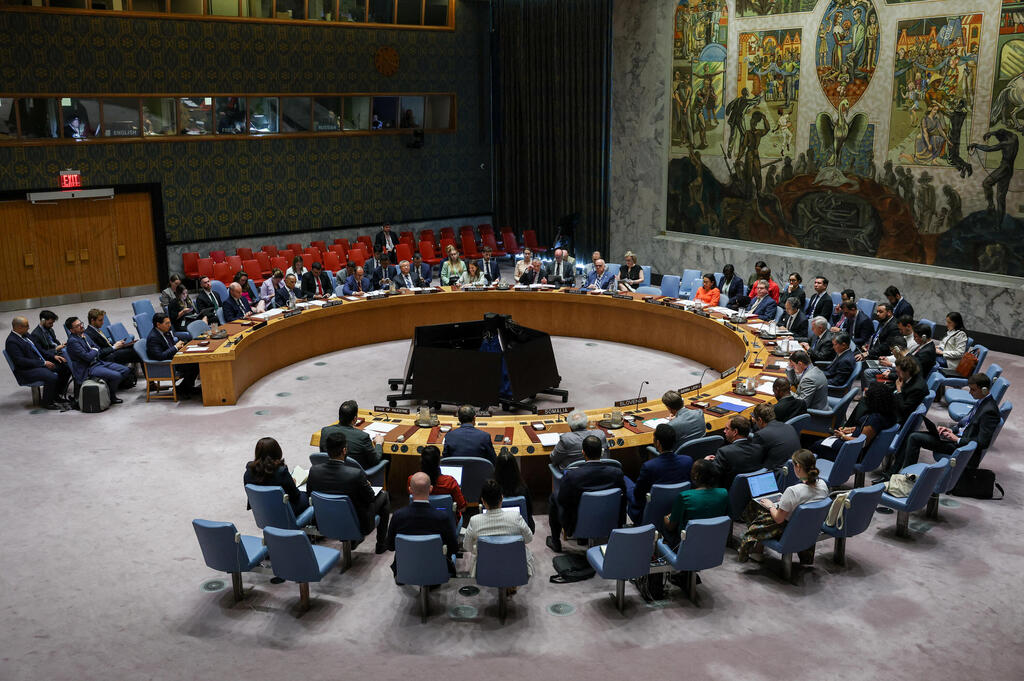
- Engagement with the UN Security Council: The state must engage with the Council to express its desire for sanctions removal, often backed by evidence demonstrating compliance with relevant resolutions.
- Monitoring and Reporting: The state may be required to demonstrate its adherence to any conditions set forth upon the initial sanctioning. This often includes reporting on specific actions taken to rectify previous violations.
- Negotiation: Countries may engage in negotiations to assure the global community of their commitment to international norms and to address concerns that led to the sanctions in the first place.
Challenges to Sanctions Removal
Despite the structured processes in place, several challenges can hinder the removal of UN sanctions:
- Lack of Transparency: Negotiations often lack transparency, leading to speculation and distrust among member states.
- Political Factors: Geopolitical tensions and rivalries can complicate the removal process, as countries may be hesitant to support an initiative perceived as advantageous to their rivals.
- Compliance Verification: The UN must be convinced that the state has made sufficient changes and that any potential risks have been mitigated, which can be subjective and open to interpretation.
The Role of Legal Experts in Sanctions Removal
Given the complexity of sanctions and their removal, the role of legal experts cannot be underestimated. Sanctions Lawyers specialize in understanding the intricacies of sanctions law, providing legal guidance, and representing affected entities during negotiations.
These professionals help clients to:
- Understand their legal standing and available options concerning sanctions.
- Prepare necessary documentation and submissions to the UN Security Council.
- Engage in negotiations on behalf of their clients, ensuring that their interests are effectively represented.
- Monitor ongoing compliance with any stipulated sanctions conditions.
Case Studies
Several instances highlight the complexities of UN sanctions removal:
The Case of Iran
Iran faced years of sanctions due to its nuclear program. The removal process culminated in the Joint Comprehensive Plan of Action (JCPOA) in 2015. However, the complexities of international diplomacy made the situation challenging, leading to ongoing debates about compliance and the legitimacy of the sanctions.
The Case of Libya
After the fall of Muammar Gaddafi, Libya sought to have sanctions lifted. The country demonstrated significant reforms and cooperation with international bodies, resulting in a gradual removal of sanctions as it navigated the transitional period.
Future Directions in Sanctions Policy
The landscape of UN sanctions is continuously evolving. As international relations shift, so do the priorities of the UN and its member states. Key future considerations include:
- Increased emphasis on targeted sanctions rather than comprehensive sanctions to minimize harm to civilian populations.
- A more transparent process that allows for greater input from affected parties.
- The development of clear benchmarks that define compliance and facilitate the removal process.
Conclusion
The removal of UN sanctions is fraught with legal, political, and operational complexities. While the processes are established, the realities of international relations can create significant hurdles. Engaging with experienced legal professionals is crucial for any entity wishing to navigate these waters and effectively advocate for their interests in the context of sanctions removal. As the geopolitical landscape changes, the frameworks governing sanctions and their removal will likely evolve, necessitating continuous dialogue and adaptation from all stakeholders.
