Navigating the Complexities of International Sanctions Litigation and Appeals
International sanctions have become a significant tool for governments and international organizations to influence the behavior of states and non-state actors. As these sanctions increase in prevalence and complexity, so does the necessity for legal experts in the realm of International Sanctions Litigation & Appeals. This article provides an overview of the key features of sanctions litigation and the appeal processes associated with them, exploring the major challenges and strategies for effectively navigating this complex field.
Understanding International Sanctions
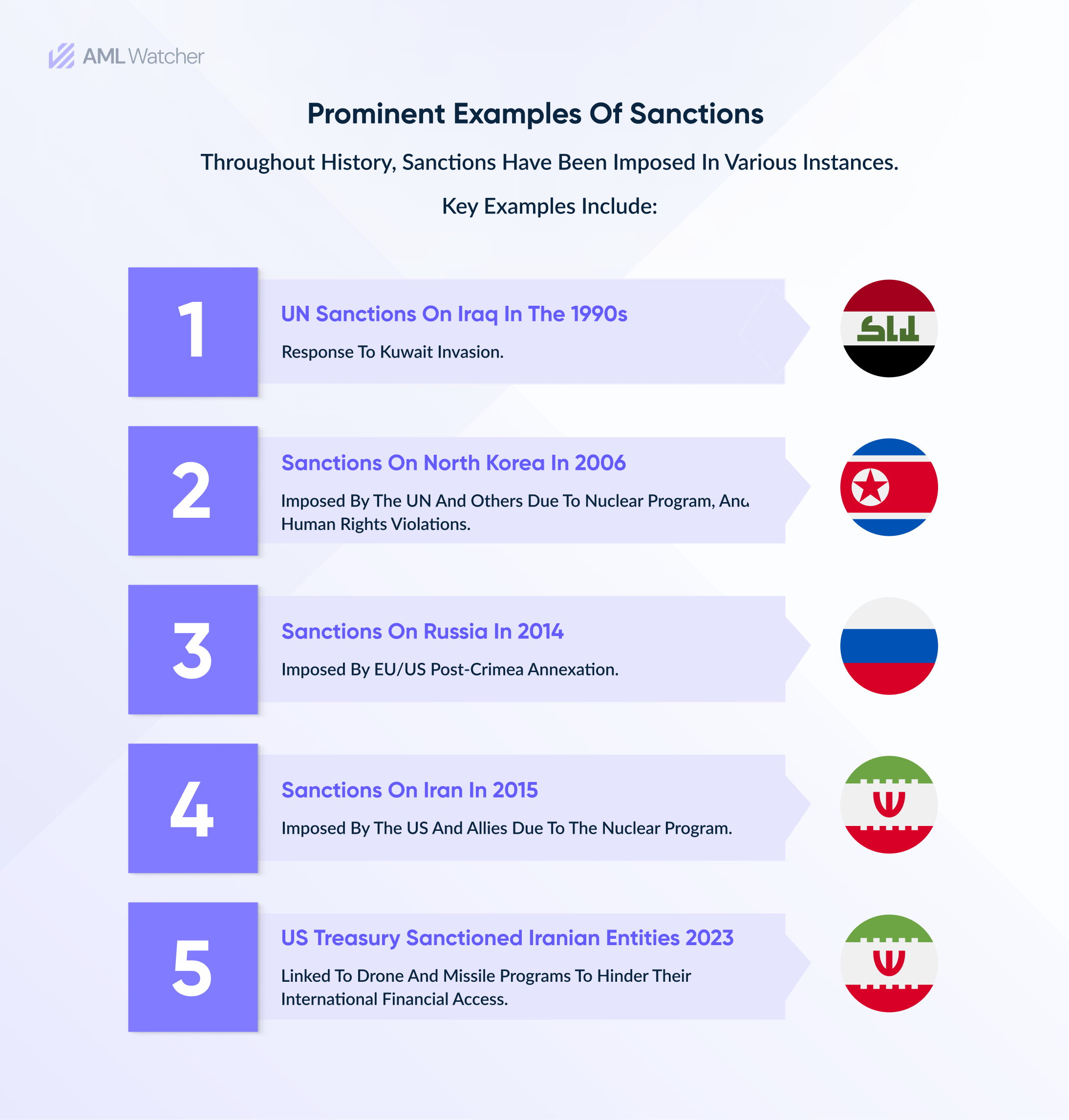
Sanctions are measures imposed by countries or international bodies to enforce international law or to alter the behavior of specific actors in the global arena. They may take various forms, including economic sanctions, trade restrictions, arms embargoes, or travel bans. In recent years, sanctions have particularly targeted countries suspected of human rights violations, terrorism, or nuclear proliferation. The legal basis for these sanctions often derives from international treaties and national laws, making compliance and enforcement complicated.
The Legal Framework
International sanctions are typically imposed under specific legal frameworks. For example, the United Nations Security Council (UNSC) may recommend sanctions to maintain or restore international peace and security. Similarly, individual countries such as the United States and members of the European Union have their legislative frameworks for implementing sanctions. These frameworks designate who is subject to sanctions and what the sanctions entail, creating a landscape that legal practitioners must navigate carefully.
Litigation Aspects of Sanctions
When individuals or entities believe they have been unjustly subjected to sanctions, they often resort to litigation. This can involve challenging the legality of the sanctions themselves or seeking compensation for damages incurred as a result. Litigation in this arena poses unique challenges, including jurisdictional issues, state immunity defenses, and the intricacies of international law.
Types of Litigation
Sanctions litigation can take various forms, including:
- Administrative Appeals: These are often the first step in challenging sanctions, where affected parties appeal to the governing agency that imposed the sanctions.
- Civil Lawsuits: In some jurisdictions, parties can file civil suits against the government challenging the sanctions on constitutional or statutory grounds.
- International Tribunals: Cases can also be brought before international courts or tribunals, where the legality of sanctions may be examined under international law.
Challenges in Sanctions Litigation
Litigants face numerous challenges in the realm of international sanctions. A primary issue is the vast amount of discretion that governments possess when imposing sanctions, which can complicate legal arguments against them. Furthermore, due to the opaque nature of the decision-making processes involved, parties may struggle to obtain the evidence necessary to support their claims.
State Secrets and National Security
Many sanctions cases involve sensitive national security interests, leading to the invocation of state secrets privileges that can bar access to crucial evidence. The courts often have to balance the need for transparency and the state’s interest in maintaining national security, creating a challenging environment for claimants.
Appeals in Sanctions Cases
If a party is unsuccessful in their initial litigation, they may pursue an appeal. The appellate process presents its challenges and opportunities, often involving a reconsideration of legal standards or the introduction of new evidence.
Grounds for Appeal
Grounds for appeal may include:
- Error of Law: A common basis for appeal, this involves asserting that the lower court misinterpreted or misapplied the law.
- New Evidence: If new evidence emerges that could significantly impact the outcome, litigants may appeal for a retrial based on this evidence.
- Failure to Consider Key Arguments: Sometimes, courts may overlook critical arguments or legal standards, resulting in an unjust outcome.
Strategies for Navigating Sanctions Litigation and Appeals
Successfully navigating international sanctions litigation and appeals requires strategic planning and a thorough understanding of both legal principles and the political context surrounding sanctions. Here are some strategies that can be employed:
Engaging Expert Legal Counsel
One of the most critical steps in litigation involving sanctions is engaging experienced legal counsel. Lawyers with expertise in international law, human rights, and sanctions can help navigate the complexities of the legal landscape, reduce risks, and devise effective litigation strategies.
Building a Strong Factual Record
Gathering comprehensive evidence to substantiate claims is crucial in sanctions litigation. This includes documentation that demonstrates compliance with laws, communications with governmental agencies, and other relevant materials that could support the case.
Strategizing around Public Relations
Given the public interest surrounding sanctions, managing public relations is essential. Effective communication strategies can help mitigate reputational damage and keep public attention on unjust sanctions.
Exploring Alternative Dispute Resolution
Before resorting to lengthy litigation, parties may explore alternative dispute resolution (ADR) methods, such as mediation or arbitration, to resolve conflicts efficiently and effectively.
Conclusion
International sanctions litigation and appeals represent one of the most complex and dynamic areas of international law. As countries and international organizations continue to adopt sanctions as a primary tool for influencing global behavior, the need for skilled legal professionals in this field will only grow. By understanding the legal frameworks, challenges, and strategic approaches to sanctions litigation, parties can better position themselves to navigate these turbulent waters and seek justice.