Archives June 2026

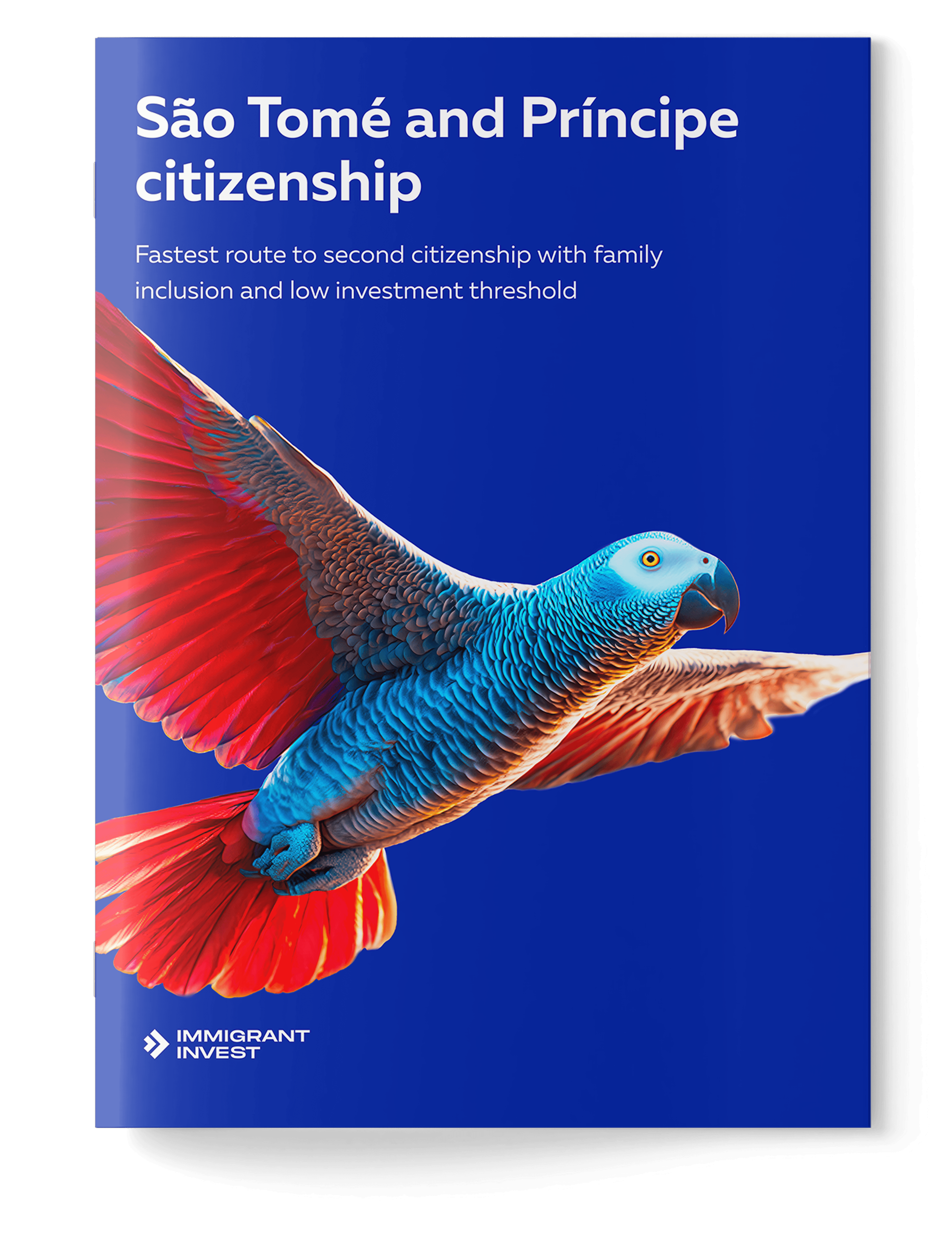
Evaluating the Value of Sao Tome Citizenship An In-Depth Analysis

Is Sao Tome Citizenship Worth the Investment?

In recent years, interest in obtaining citizenship through investment has surged, with various countries offering enticing opportunities. Among these options, Sao Tome and Principe, an island nation in the Gulf of Guinea, has emerged as a potentially attractive choice. In this article, we will explore the question: Is Sao Tome Citizenship Worth the Investment? We will delve into the benefits of acquiring citizenship in this small yet vibrant nation, the process involved, and the factors to consider before making such a decision.

Overview of Sao Tome and Principe

Sao Tome and Principe is the second smallest African nation, consisting of two main islands and several smaller islets. It boasts a rich cultural heritage, stunning landscapes, and a varied ecosystem. As a former Portuguese colony, the country has strong ties to Europe. With a population of approximately 200,000, Sao Tome offers a sense of tranquility, beauty, and an impressive array of biodiverse flora and fauna.

Benefits of Sao Tome Citizenship

Investing in citizenship in Sao Tome is not merely a transactional process; it opens up a plethora of opportunities for individuals and families. Here are some of the key benefits:

1. Visa-Free Travel

One of the primary motivations for obtaining a second citizenship is the ability to travel without the need for cumbersome visa applications. Sao Tome citizens enjoy visa-free or visa-on-arrival access to over 45 countries, including several in Europe, Asia, and Africa. This convenience can facilitate personal and business travel significantly.

2. Attractive Business Environment

Sao Tome is actively pursuing economic development and diversification, which translates into numerous investment opportunities. Industries such as tourism, agriculture, and eco-friendly technologies are on the rise. Obtaining citizenship can provide investors with preferential access to these sectors, paving the way for potential profit and growth.

3. Connection to the European Union

As a former colony of Portugal, Sao Tome citizens have unique historical ties to the European Union. While Sao Tome itself is not an EU member, this connection provides potential pathways for further opportunities in Europe and easy migration options for business or personal reasons.

4. Stabilizing Investment

Compared to many other jurisdictions, Sao Tome and Principe has relatively stable political and economic conditions. Although challenges exist, the government is focused on sustainable development and maintaining a peaceful environment, making it a reasonable place for investment.

5. Quality of Life

The quality of life in Sao Tome can be exceptionally high, with a lower cost of living relative to many Western countries. The country boasts stunning beaches, lush rainforests, and a welcoming community. For those seeking a slower pace of life in a beautiful setting, Sao Tome offers an enviable lifestyle.

Process of Obtaining Citizenship

The citizenship-by-investment process in Sao Tome is relatively straightforward. Here are the typical steps involved:

1. Eligibility Assessment

Prospective applicants need to demonstrate that they meet the necessary financial and character requirements. This generally includes proof of clean criminal records and sufficient funds.

2. Choose Your Investment

Applicants must choose an investment route that aligns with their personal and financial goals. Options may include real estate investment, donations to national development projects, or business investments. Pricing and specific requirements will depend on the chosen path.

3. Application Submission

Once the investment is chosen, relevant documents and applications must be submitted to the authorities for review. This process typically requires additional due diligence to ensure compliance with local laws.

4. Approval and Issuance

Upon approval of the application, the citizenship certificate will be issued, and individuals must fulfill any remaining obligations, such as making the financial investment or completing any required documentation.

Challenges and Considerations

While obtaining citizenship in Sao Tome presents many advantages, potential applicants should also be aware of the challenges and considerations involved:

1. Limited Global Recognition

Despite the benefits of having a second citizenship, some might question the overall value of Sao Tome citizenship due to limited global recognition compared to more prominent passports. Consider how this may impact travel and business opportunities in certain regions.

2. Potential Bureaucratic Hurdles

As with any government process, the application may encounter bureaucratic slowdowns. Patience and persistence may be required throughout the citizenship process.

3. Economic Viability

While the curr

ent investments look promising, the long-term economic outlook should be assessed. Conduct thorough research on the market potential and stability before making a commitment.

Conclusion

In conclusion, obtaining citizenship in Sao Tome and Principe can be a worthwhile investment for the right individuals or families. With numerous benefits, including visa-free travel, an attractive business environment, and an appealing quality of life, it certainly warrants consideration. However, evaluating the potential drawbacks and ensuring thorough research is crucial before making a decision. Whether it is for personal reasons, business opportunities, or a sense of belonging to a unique culture and environment, Sao Tome offers a compelling proposition for those seeking to invest in their future.


Discovering the Benefits of Vanuatu Passport for Visa-Free Travel in Asia

The Freedom of Travel: Vanuatu Passport Visa-Free Access in Asia

In the era of globalization, passport power has become a valuable asset. Possessing a passport that allows for extensive visa-free travel is a dream for many travelers. Vanuatu Passport Visa-Free Asia Vanuatu Passport Price offers an impressive opportunity for individuals seeking mobility across Asia without the complexities of visa applications. This article will explore the various aspects of the Vanuatu passport, its benefits, and the specific countries in Asia that offer visa-free access.

Understanding the Vanuatu Passport

The Vanuatu passport is granted by the government of Vanuatu, a beautiful archipelago in the South Pacific. Known for its stunning beaches and rich culture, Vanuatu also provides a unique citizenship-by-investment program that attracts individuals from around the world. The process allows foreign investors to acquire Vanuatu citizenship, which comes with the benefit of holding a passport that opens up various international travel possibilities.

Why Choose the Vanuatu Passport?

There are several compelling reasons to consider obtaining a Vanuatu passport:

  • Visa-Free Travel: One of the most significant advantages is the ability to travel without a visa to multiple countries in Asia and beyond.
  • Second Citizenship: Vanuatu’s citizenship program does not require renouncing your current nationality, allowing for dual citizenship.
  • Attractive Tax Benefits: Vanuatu is known for its tax-friendly regime with no personal income tax, making it an attractive option for expatriates.
  • Affordable Investment Options: The investment required for the citizenship program is relatively low compared to other countries with similar offerings.

Visa-Free Countries in Asia

The Vanuatu passport provides access to numerous countries in Asia without the need for a visa. Below is a list of some of the primary destinations:

  • Malaysia: A melting pot of cultures, Malaysia welcomes Vanuatu passport holders for short stays without a visa.
  • Singapore: Known for its modern skyline and bustling neighborhoods, Singapore allows visa-free travel for Vanuatu citizens.
  • Indonesia: Explore the beauty of Bali and more with visa-free access granted to Vanuatu passport holders.
  • Thailand: Experience the Land of Smiles without the hassle of a visa by visiting Thailand with a Vanuatu passport.
  • Philippines: Enjoy the tropical paradise of the Philippines with visa-free entry for Vanuatu citizens for stays up to 30 days.

The Application Process for a Vanuatu Passport

Obtaining a Vanuatu passport through the investment program involves a few steps:

  1. Choose an Approved Investment: You can select from various investment options, including donations to the government fund or real estate investments.
  2. Complete Application: Prepare and submit your application along with the required documents, including proof of funds, identification, and due diligence paperwork.
  3. Government Review: The government of Vanuatu will conduct a review of your application, which may take several weeks.
  4. Receive Citizenship: Upon approval, you will be granted citizenship and can apply for your passport.

Travel Tips for Vanuatu Passport Holders

With the power of a Vanuatu passport in hand, here are some tips for ensuring a smooth travel experience in Asia:

  • Check Entry Requirements: Even though you may not need a visa, verify the entry requirements for each country before you travel.
  • Stay Informed About Travel Restrictions: Keep abreast of any changes in visa policies or travel restrictions due to global events.
  • Plan Your Itinerary: Take advantage of the visa-free travel by planning multi-destination trips in Asia.
  • Embrace Local Cultures: Use your travels to connect with diverse cultures and experiences throughout the region.

Conclusion

The Vanuatu passport is not just a travel document; it symbolizes freedom, opportunity, and the ability to explore a diverse array of cultures and landscapes across Asia and beyond. With advantages like visa-free travel to several popular destinations, tax benefits, and the ability to retain dual citizenship, it’s clear that investing in the Vanuatu passport can be a rewarding decision for many. Whether you’re a frequent traveler, a business professional, or someone looking to explore new horizons, the Vanuatu passport presents an inviting gateway to an enriching life of global mobility.

Exploring the Benefits of a Second Passport from Vanuatu

Exploring the Benefits of a Second Passport from Vanuatu

In today’s globalized world, a second passport can serve as a powerful tool for expanding opportunities and enhancing personal freedom. One of the most attractive options for those seeking this advantage is the Vanuatu Second Passport Benefits Vanuatu Golden Passport. Vanuatu, a beautiful archipelago in the South Pacific, offers a second citizenship program that comes with a plethora of benefits. In this article, we will explore the advantages of obtaining a second passport from Vanuatu, covering travel, financial, and personal security benefits.

Enhanced Travel Freedom

One of the primary benefits of holding a second passport is the increased travel freedom it provides. A passport from Vanuatu allows visa-free or visa-on-arrival access to over 130 countries, including key destinations in Europe, Asia, and Oceania. This level of access can make traveling for both business and pleasure considerably easier, bypassing lengthy visa applications and restrictions.

Tax Benefits

Vanuatu is well-known for its favorable tax regime, which provides significant financial advantages. The country does not impose capital gains tax, inheritance tax, or income tax on foreign income. This makes Vanuatu an attractive destination for individuals looking to minimize their tax liabilities. By acquiring a second passport, individuals can enjoy greater financial privacy and flexibility in managing their wealth.

Increased Safety and Security

In an era of increasing geopolitical tensions and uncertainties, having a second passport can enhance personal safety. A Vanuatu passport provides individuals with a means of escape should social or political unrest occur in their home country. It can also enable access to new jurisdictions, which may offer better living conditions and increased personal security.

Business Expansion Opportunities

For entrepreneurs and businesspeople, a second passport from Vanuatu can facilitate international trade and investment. Vanuatu’s strategic location in the Pacific allows easy access to emerging markets in Asia and Australia. Furthermore, possessing a Vanuatu passport can simplify the process of establishing companies and accessing investment opportunities across borders.

Quality of Life and Residency Options

Vanuatu is recognized for its stunning natural beauty, friendly culture, and laid-back lifestyle. Obtaining a second passport often includes residency options, allowing individuals and their families to live in Vanuatu. This not only provides a new place to call home but also opens doors to a healthier lifestyle away from the hustle and bustle of traditional metropolitan areas.

Family Benefits

Vanuatu’s citizenship program is particularly appealing for families. The process allows for the inclusion of dependent children, spouses, and even extended family members. This flexibility ensures that entire families can enjoy the benefits that come with Vanuatu citizenship. Furthermore, Vanuatu’s beautiful environment and educational opportunities can offer a great upbringing for children.

Simplified Application Process

The process of acquiring a second passport from Vanuatu is notably streamlined compared to many other countries. Vanuatu’s citizenship by investment program allows individuals to obtain a passport through a financial contribution to the country’s development. The timeline for processing applications is relatively quick, often taking just a few months.

Global Citizenship

In a world where global citizenship is becoming increasingly valued, having a second passport from Vanuatu can enhance one’s global identity. It signifies not only increased freedom of movement but also an acceptance of diverse cultures and communities. With a Vanuatu passport, individuals can embrace opportunities around the globe without being tied down by the limitations of their primary nationality.

Peace of Mind

Finally, acquiring a second passport from Vanuatu provides peace of mind. Knowing that you have an alternative option for residence and travel can alleviate anxieties related to domestic instability or global crises. This peace of mind can positively affect one’s mental health and overall quality of life.

Conclusion

In conclusion, obtaining a second passport from Vanuatu offers a wide array of benefits that can significantly enhance an individual’s personal and financial freedom. From increased travel opportunities and favorable tax conditions to improved safety and a better quality of life, a Vanuatu passport is a valuable asset in today’s unpredictable world. For those considering the pathway to global citizenship, Vanuatu stands out as an excellent choice.

Discover the Benefits of Vanuatu Passport Visa-Free Access to Europe

Unlocking Europe: The Advantage of a Vanuatu Passport

For many travelers and expatriates, the idea of freedom when it comes to traveling across borders is a tantalizing prospect. With a Vanuatu passport, you can achieve just that, particularly when it comes to accessing Europe. The Vanuatu Passport Visa-Free Europe initiative is gaining attention as more people recognize the remarkable benefits that such a passport can provide. In this article, we will explore the significance of the Vanuatu passport, how it offers visa-free travel to Europe, and the steps involved in obtaining one.

The Essence of a Vanuatu Passport

Vanuatu, an idyllic archipelago country in the South Pacific, has emerged as a popular choice for individuals seeking citizenship by investment. The Vanuatu passport program, established in 2017, allows foreign nationals to obtain citizenship and, consequently, a passport through a financial contribution to the country’s development fund. This initiative not only boosts Vanuatu’s economy but also provides investors with global mobility.

Visa-Free Travel to Europe

One of the most alluring features of the Vanuatu passport is its capacity for visa-free travel to a plethora of countries, particularly within Europe. Currently, Vanuatu passport holders can access over 135 destinations without the need for a visa. This includes all of the Schengen Area countries, where travelers can freely move across borders without additional documentation once they arrive in the Schengen region.

Countries such as France, Germany, Spain, and Italy are just a few examples of the nations that welcome Vanuatu passport holders with open arms. This ease of access is particularly enticing for business travelers, holidaymakers, and individuals looking to explore their educational opportunit

ies in Europe.

Benefits of a Vanuatu Passport

The advantages of obtaining a Vanuatu passport extend well beyond the ability to travel freely through Europe. Below are some notable benefits:

  • Global Mobility: Enjoy visa-free access to more than 135 countries, making travel plans easier and more flexible.
  • Fast Application Process: The Vanuatu citizenship by investment program is efficient, with most applications processed within a few months.
  • Tax Benefits: Vanuatu has no income tax, inheritance tax, or capital gains tax, making it an appealing option for individuals looking for favorable tax arrangements.
  • Beautiful Environment: Vanuatu is known for its lush landscapes, stunning beaches, and vibrant culture, making it a desirable place for those considering relocation.
  • Political Stability: Vanuatu is a peaceful and politically stable nation, providing a safe environment for residents and citizens alike.

How to Obtain a Vanuatu Passport

For those interested in becoming a citizen of Vanuatu, the process typically involves the following steps:

  1. Research: Understand the requirements and choose an accredited agency to facilitate your application.
  2. Financial Contribution: Make a financial contribution to the Vanuatu Development Support Program (VDSP), which is usually in the range of $130,000 for a single applicant.
  3. Documentation: Prepare necessary documents, including a passport, birth certificate, and police clearance certificate.
  4. Application Submission: Submit your application along with the required documentation and fees.
  5. Approval and Passport Issuance: Once your application is approved, you will receive your Vanuatu passport, granting you the international mobility you desire.

Conclusion

The Vanuatu passport offers a unique gateway to the world, especially for those seeking easy and visa-free access to Europe. As globalization continues to redefine how we travel and conduct business, obtaining a Vanuatu passport stands out as a strategic move for many individuals. Whether it’s for leisure, business, or new opportunities, the benefits of a Vanuatu passport are compelling. As the world becomes increasingly interconnected, securing a Vanuatu passport could be one of the best decisions you ever make.

In conclusion, if you’re looking to broaden your horizons and seek a more flexible lifestyle, the Vanuatu passport program may be the answer. With its numerous advantages, from minimal tax obligations to visa-free travel, Vanuatu is more than just a picturesque destination; it’s a gateway to a world of opportunities.

Exploring the Nauru Passport Benefits, Application, and Unique Facts

Exploring the Nauru Passport: Benefits, Application, and Unique Facts

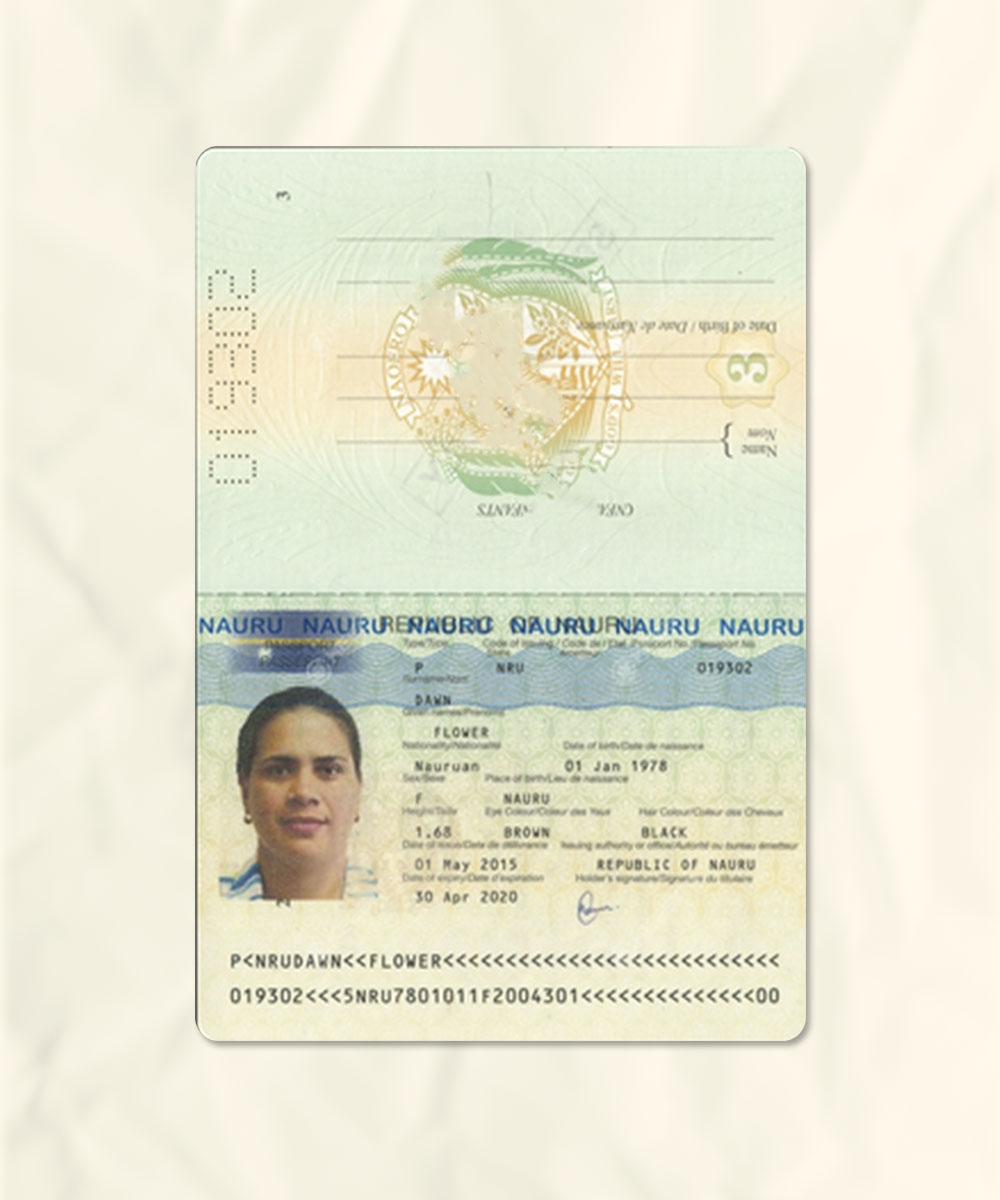
The Nauru passport is a unique travel document that opens doors to various countries for its holders. This small island nation, located in the Pacific Ocean, is known for its rich history, unique culture, and, of course, its passport. For those looking to understand more about the Nauru passport, including its benefits and the application process, you can visit Nauru passport https://naurupassport.net. In this article, we will dive deep into the features and details associated with the Nauruan travel document.

What is a Nauru Passport?

The Nauru passport is issued to citizens of Nauru, a small island country that is known for its phosphate mining and beautiful beaches. The passport allows Nauruan citizens to travel internationally and serves as proof of identity and nationality. With a population of just over 10,000 people, Nauru is one of the least populous countries in the world. Yet, its passport provides a surprising number of benefits, granting access to various countries without needing a visa or with visa-on-arrival options.

Benefits of Holding a Nauru Passport

Holders of a Nauru passport enjoy several advantages, primarily relating to international travel. Some of the key benefits include:

  • Visa-Free Travel: Nauru passport holders can travel to a number of countries without needing a visa. This includes several countries in the Asia-Pacific region, Europe, and even some parts of the Caribbean.
  • Visa on Arrival Options: For many destinations, Nauruan citizens can obtain a visa upon arrival, simplifying the travel process significantly.
  • Protection and Assistance: Nauru passport holders are entitled to consular support from Nauruan diplomatic missions worldwide.
  • Ability to Work Overseas: The passport can provide opportunities for Nauruan citizens to work in certain countries under various agreements.

Application Process for a Nauru Passport

To apply for a Nauru passport, citizens must follow a specific process designed to ensure authenticity and security. Here’s a brief overview of the application steps:

  1. Eligibility: Ensure that you are a citizen of Nauru, as only citizens can apply for this passport.
  2. Application Form: Obtain and fill out the official Nauru passport application form, which is available at the Nauruan immigration office or via the official website.
  3. Documentation: Provide necessary documents, including proof of citizenship (such as a birth certificate), identification documents (like a national ID), and any other required supporting materials.
  4. Photographs: Submit recent passport-sized photographs that meet the specifications laid out in the guidelines.
  5. Payment: Pay the applicable fees associated with the passport application.
  6. Submission: Submit your completed application along with all required documents at the designated passport office or embassy.

Processing Time

The processing time for a Nauru passport may vary based on numerous factors, including the volume of applications and verification processes. Typically, it can take anywhere from a few weeks to a couple of months. It’s advisable for applicants to check with local authorities for more accurate timing based on current circumstances.

Unique Aspects of the Nauru Passport

Besides its travel advantages, the Nauru passport is unique in several ways:

  • Design: Nauru passports often feature distinctive designs that showcase the nation’s cultural heritage, including colors and symbols that represent Nauru.
  • Limited Editions: At times, special edition passports may be issued to commemorate national events or significant milestones.
  • Environmental Considerations: As a nation that has faced environmental challenges due to phosphate mining, Nauru has made efforts to incorporate sustainable practices into passport production.

Conclusion

The Nauru passport represents more than just a travel document; it embodies the identity and spirit of the Nauruan people. As globalization continues to connect nations, having a Nauru passport offers its holders unique opportunities for travel and cultural exchange. If you are a Nauruan citizen or simply have an interest in passports and international travel, understanding the Nauru passport’s significance and benefits can enhance your appreciation for this fascinating little nation.

For more information about the Nauru passport and the application process, visit the official site or consult your local Nauruan embassy.

Is Nauru Citizenship Worth the Investment Exploring the Pros and Cons

Is Nauru Citizenship Worth the Investment? Exploring the Pros and Cons

Nauru, a small island nation in the Pacific Ocean, has become a point of interest for investors looking into second citizenship options. As globalization continues to facilitate cross-border mobility, many individuals are weighing the benefits of citizenship in countries like Nauru. Is Nauru Citizenship Worth the Investment? In this article, we will explore the various dimensions of acquiring Nauru citizenship—from financial implications to lifestyle changes—to help potential investors make an informed decision.

Understanding Nauru Citizenship

Nauru citizenship is primarily obtained through a citizenship-by-investment program that is aimed at attracting foreign capital. Citizens of Nauru enjoy certain privileges, including the ability to live and work freely in the country and access Nauru’s facilities and services. However, keep in mind that Nauru is one of the least populous countries in the world, and its economy is heavily dependent on a small number of sectors.

The Financial Consideration

Investing in Nauru citizenship often requires a sizable financial commitment. Fees associated with the application process, due diligence, and government contributions can range from tens of thousands to hundreds of thousands of dollars. For many, this investment may seem steep, especially considering the relatively obscure international status of Nauru.

Cost vs. Value

When evaluating whether Nauru citizenship is worth the investment, one must weigh the costs against the potential benefits. The primary value often cited is the ability to access Nauru’s banking system, which may offer a measure of privacy and tax advantages, albeit limited. Additionally, Nauru’s status as a member of international organizations can provide certain diplomatic privileges.

Economic and Lifestyle Advantages

Nauru offers unique economic scenarios. For entrepreneurs and investors, the island can serve as a platform for business operations, especially in sectors like tourism and sustainable fishing. Furthermore, the political stability of Nauru, coupled with its positioning as a tax haven, may appeal to certain investors.

A Unique Lifestyle

In terms of lifestyle, living in Nauru can offer an escape from the hustle and bustle of major urban centers. The island boasts stunning natural bea

uty, and the cost of living can be relatively low. However, one must also consider the trade-offs, such as limited access to advanced healthcare and educational facilities.

Social Aspects and Community

Being a citizen of Nauru means joining a small but tight-knit community. This offers a chance to immerse oneself in the local culture and traditions. However, foreigners should also be aware that adapting can take time, as the social norms differ significantly from those in larger nations.

Challenges and Drawbacks

No investment comes without its risks, and Nauru citizenship is no exception. The limited geographical size may restrict job opportunities and advance career growth for citizens in comparative terms. Moreover, the isolation of the island could pose challenges in maintaining familial and social connections with communities outside of Nauru.

Alternatives to Nauru Citizenship

Potential investors should evaluate alternatives that may offer similar benefits with lesser constraints. Many nations offer citizenship-by-investment programs with varying levels of investment. Countries like Malta, Portugal, or St. Kitts and Nevis are examples where diversifying investments could yield better returns in terms of access and lifestyle.

Conclusion: Is Nauru Citizenship Worth It?

Ultimately, the decision to pursue Nauru citizenship comes down to personal goals and circumstances. While it does offer a unique position in the global landscape, the investment must align with one’s broader financial and lifestyle aspirations. Interested parties should conduct thorough research and consider consulting with legal and financial advisors before making commitment. Therefore, assessing whether the advantages outweigh the drawbacks of Nauru citizenship becomes a matter of personal evaluation and strategic planning.

Understanding Access Requests A Comprehensive Guide 947381390

Access Requests: A Comprehensive Overview

In today’s digital age, the efficient management of information and access permissions is crucial for organizations. Access requests are formal requests made to gain permission to use certain resources or data within an organization. These requests play a key role in data security and compliance. In this article, we will delve into the intricacies of access requests, their significance, typical processes, best practices, and how organizations can streamline these requests. To further understand their relevance, consider looking into Access Request.

What is an Access Request?

An access request refers to a formal procedure through which an individual or a group seeks permission to access specific information, resources, or systems. The nature of these requests can vary significantly, ranging from IT systems access to sensitive data within an organization. The objective is typically to ensure that only authorized personnel have access to particular information, helping organizations maintain data integrity and confidentiality.

The Importance of Access Requests

Access requests are fundamental to maintaining security protocols within an organization. They help manage who can access sensitive information and ensure compliance with various regulatory frameworks, such as GDPR or HIPAA. By controlling access, organizations can minimize security risks, prevent data breaches, and safeguard their intellectual property. Additionally, well-structured access requests contribute to better resource management and operational efficiency.

The Access Request Process

The process for submitting an access request typically involves several steps:

  1. Identifying the Need: The requester must first determine why access is necessary and what specific resources or information they require.
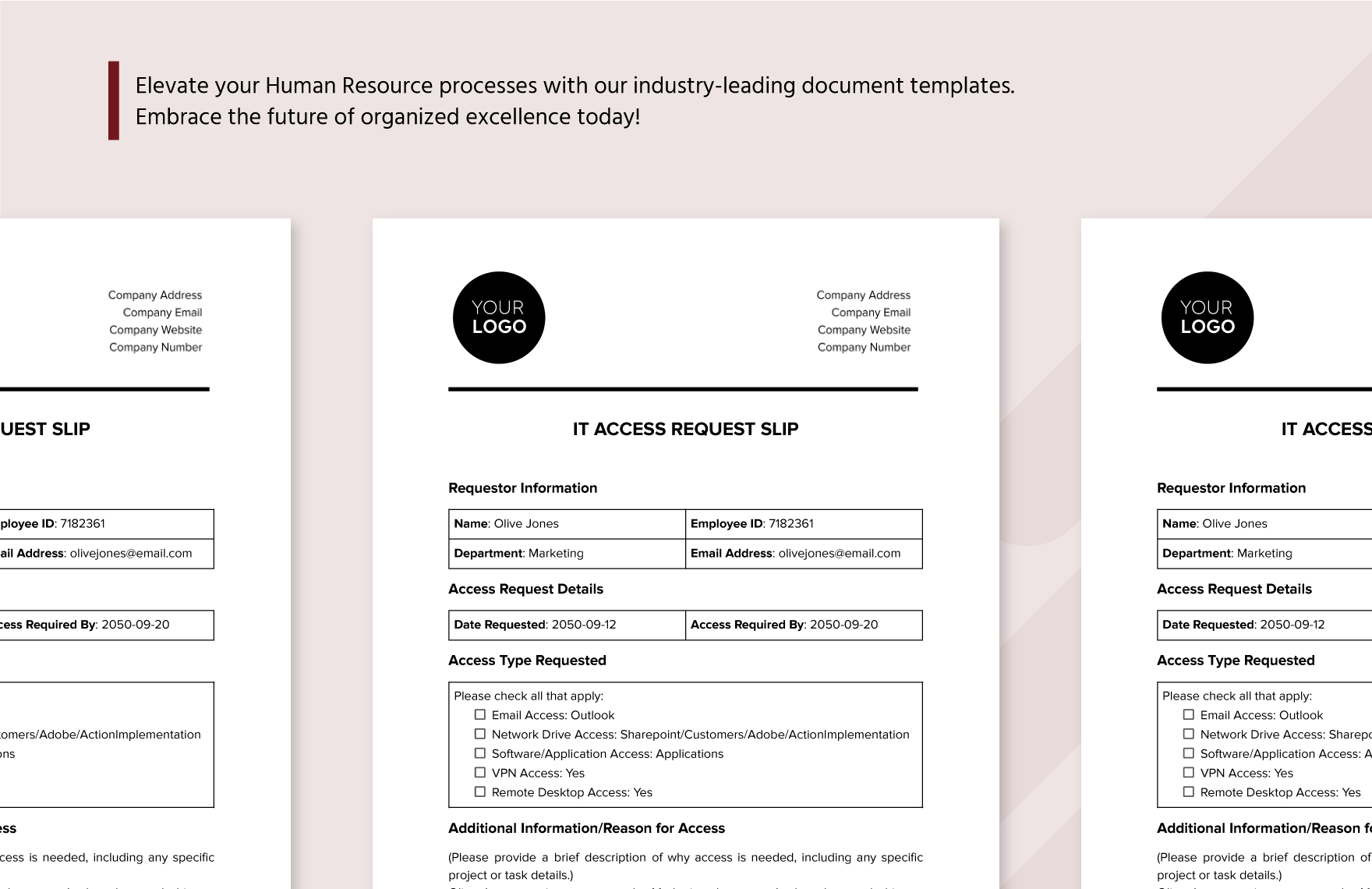
  2. Filling Out the Request Form: Most organizations have a standardized access request form where details regarding the request must be specified, including the type of information, duration of access, and the justification for the request.
  3. Review and Approval: The request is then submitted to designated authorities (such as a manager, IT security team, or compliance officer) who evaluate the validity of the request based on organizational policies and data sensitivity.
  4. Granting Access: Once approved, the requestor is granted access in accordance with defined permissions. If denied, the requester should receive a detailed explanation of the decision.
  5. Monitoring and Auditing: Post-granting, access should be regularly monitored and audited to ensure adherence to access policies and to revoke permissions when they are no longer necessary.

Best Practices for Access Requests

To ensure a smooth and secure access request process, consider implementing the following best practices:

  • Clear Policies: Establish clear access request policies that outline the process, criteria for approval, and protocols for handling sensitive information.
  • Training and Awareness: Provide training for all employees on the importance of data security and the procedures for requesting access to sensitive information.
  • Role-Based Access Control: Utilize role-based access control (RBAC) to streamline the request process and ensure that employees only have access to the information necessary for their roles.
  • Automated Systems: Implement an automated access request system that can facilitate tracking, auditing, and approval processes efficiently.
  • Regular Audits: Conduct regular audits of access permissions to verify that they remain appropriate and that there are no unauthorized access points.

Challenges in Access Request Management

While access requests play a critical role in information security, managing these requests can present certain challenges:

  • Complexity: The complexity of different systems and the varying requirements for access can create confusion for requesters and approvers alike.
  • Sluggish approval processes can hinder productivity, particularly if requests require urgent attention.
  • Compliance Risks: Organizations must continually adapt to changing regulations. Non-compliance with access request protocols can result in hefty fines and legal implications.

Conclusion

Access requests are an essential component of information security in any organization. When implemented effectively, they safeguard sensitive data and ensure that only authorized personnel can access necessary resources. Through clear policies, training, and the use of technology, organizations can streamline the access request process and mitigate potential risks associated with unauthorized access. In an era where data breaches are increasingly common, adopting robust access management practices is not just prudent but necessary for protective measures in securing organizational assets and maintaining stakeholder trust.

The Complex Landscape of UN Sanctions Removal 948876343

The removal of UN sanctions is a complex process that affects nations and organizations worldwide. Understanding the nuances of these sanctions and the removal process is crucial for affected entities. Many turn to specialized professionals for guidance, such as UN Sanctions Removal Sanctions Lawyers, who can help navigate the intricate legal landscape involved in sanction removal.

Understanding UN Sanctions

UN sanctions are measures taken by the United Nations to maintain or restore international peace and security. They are often imposed in response to threats such as terrorism, human rights violations, or the proliferation of weapons of mass destruction. Sanctions can vary widely in scope and can include economic restrictions, trade embargoes, travel bans, and arms prohibitions.

Types of UN Sanctions

Sanctions can be categorized into several types, including:

  • Economic sanctions: These measure restrict a country’s ability to access financial systems, trade, and investment opportunities.
  • Comprehensive sanctions: These involve broad restrictions on a country’s economy, often targeting specific sectors such as oil or arms.
  • Targeted sanctions: These focus on individuals or entities responsible for misconduct, such as government officials or corporations involved in illicit activities.
  • Travel bans: These prevent specific individuals from entering or transiting through certain countries.

The Process of Sanctions Removal

Removing UN sanctions involves a detailed process, often initiated by the affected state or entity. The steps generally include:

  1. Engagement with the UN Security Council: The state must engage with the Council to express its desire for sanctions removal, often backed by evidence demonstrating compliance with relevant resolutions.
  2. Monitoring and Reporting: The state may be required to demonstrate its adherence to any conditions set forth upon the initial sanctioning. This often includes reporting on specific actions taken to rectify previous violations.
  3. Negotiation: Countries may engage in negotiations to assure the global community of their commitment to international norms and to address concerns that led to the sanctions in the first place.

Challenges to Sanctions Removal

Despite the structured processes in place, several challenges can hinder the removal of UN sanctions:

  • Lack of Transparency: Negotiations often lack transparency, leading to speculation and distrust among member states.
  • Political Factors: Geopolitical tensions and rivalries can complicate the removal process, as countries may be hesitant to support an initiative perceived as advantageous to their rivals.
  • Compliance Verification: The UN must be convinced that the state has made sufficient changes and that any potential risks have been mitigated, which can be subjective and open to interpretation.

The Role of Legal Experts in Sanctions Removal

Given the complexity of sanctions and their removal, the role of legal experts cannot be underestimated. Sanctions Lawyers specialize in understanding the intricacies of sanctions law, providing legal guidance, and representing affected entities during negotiations.

These professionals help clients to:

  • Understand their legal standing and available options concerning sanctions.
  • Prepare necessary documentation and submissions to the UN Security Council.
  • Engage in negotiations on behalf of their clients, ensuring that their interests are effectively represented.
  • Monitor ongoing compliance with any stipulated sanctions conditions.

Case Studies

Several instances highlight the complexities of UN sanctions removal:

The Case of Iran

Iran faced years of sanctions due to its nuclear program. The removal process culminated in the Joint Comprehensive Plan of Action (JCPOA) in 2015. However, the complexities of international diplomacy made the situation challenging, leading to ongoing debates about compliance and the legitimacy of the sanctions.

The Case of Libya

After the fall of Muammar Gaddafi, Libya sought to have sanctions lifted. The country demonstrated significant reforms and cooperation with international bodies, resulting in a gradual removal of sanctions as it navigated the transitional period.

Future Directions in Sanctions Policy

The landscape of UN sanctions is continuously evolving. As international relations shift, so do the priorities of the UN and its member states. Key future considerations include:

  • Increased emphasis on targeted sanctions rather than comprehensive sanctions to minimize harm to civilian populations.
  • A more transparent process that allows for greater input from affected parties.
  • The development of clear benchmarks that define compliance and facilitate the removal process.

Conclusion

The removal of UN sanctions is fraught with legal, political, and operational complexities. While the processes are established, the realities of international relations can create significant hurdles. Engaging with experienced legal professionals is crucial for any entity wishing to navigate these waters and effectively advocate for their interests in the context of sanctions removal. As the geopolitical landscape changes, the frameworks governing sanctions and their removal will likely evolve, necessitating continuous dialogue and adaptation from all stakeholders.

The Importance of Preventive Requests Safeguarding Your Rights and Interests

The Importance of Preventive Requests: Safeguarding Your Rights and Interests

In an increasingly complex world where legal and regulatory frameworks govern various aspects of life, the concept of preventive requests has gained prominence. A preventive request can be understood as a proactive measure taken by individuals or organizations to mitigate potential risks and safeguard their rights. Whether in legal, financial, or personal contexts, these requests play a crucial role in ensuring compliance and enhancing security. For example, Preventive Request Interpol Red Notice Removal is a process through which individuals seek to preemptively address legal issues that may arise in the international arena.

What are Preventive Requests?

Preventive requests can take various forms, depending on the context in which they are issued. In legal terms, they often refer to formal requests made to authorities, such as courts or law enforcement agencies, to address potential violations or legal challenges before they escalate. In the corporate world, these requests may involve seeking clarification on regulatory compliance or engaging in dialogues with stakeholders to preempt disputes. In personal life, preventive requests can manifest as asking for clarification on financial obligations or resolving misunderstandings with parties involved in contracts or agreements.

Why are Preventive Requests Necessary?

The necessity for preventive requests arises from the understanding that addressing issues before they escalate is far more effective than dealing with the aftermath of a crisis. Here are several reasons highlighting the importance of preventive requests:

  • Risk Mitigation: By identifying potential risks early on and taking proactive steps, individuals and organizations can avoid unnecessary legal battles and financial losses.
  • Preservation of Rights: Preventive requests help in safeguarding one’s rights and interests, ensuring that they are not infringed upon by others.
  • Enhanced Compliance: In business contexts, these requests can aid in maintaining compliance with ever-evolving regulations, thus avoiding penalties and reputational harm.
  • Improved Relationships: Proactively addressing concerns can lead to better communication and relationships among parties involved, fostering an environment of trust.

Types of Preventive Requests

There are numerous types of preventive requests that individuals and organizations can make, tailored to specific situations. Some common types include:

  1. Legal Preventive Requests: These involve formal requests to courts or legal authorities to intervene or issue rulings before a situation escalates.
  2. Regulatory Preventive Requests: Organizations may seek clarification or exceptions from regulatory bodies to ensure compliance and avoid future penalties.
  3. Financial Preventive Requests: Individuals and businesses often communicate with creditors or partners to clarify obligations or settle disputes amicably.
  4. Communication Preventive Requests: These are informal requests aimed at addressing misunderstandings or potential conflicts through direct dialogue.

Best Practices for Submitting Preventive Requests

To maximize the effectiveness of preventive requests, consider the following best practices:

  • Clarity and Specificity: Ensure that your request is clear and specific, detailing the issues you are concerned about.
  • Documentation: Provide any relevant documentation or evidence that supports your request, as this adds credibility to your concerns.
  • Timeliness: Submit preventive requests as early as possible to ensure that issues are addressed before they escalate.
  • Follow Up: Do not hesitate to follow up on your requests to ensure that they are being addressed appropriately.

Challenges and Considerations

While preventive requests are vital, they are not without challenges. Individuals may face resistance from authorities or entities they are addressing, and there may be instances where requests are overlooked or disregarded. Additionally, cultural and organizational dynamics can play a role in how such requests are received and acted upon. It is essential to be prepared for varied responses and to approach preventive requests with a mindset of collaboration rather than confrontation.

Conclusion

In conclusion, preventive requests serve as a fundamental tool for individuals and organizations seeking to protect their rights and interests. By taking proactive measures to address potential issues, one can foster a culture of compliance, enhance relationships, and ultimately contribute to an environment of security and trust. Understanding the nuances of preventive requests and implementing them effectively can lead to better outcomes in various personal and professional contexts.

The Complex Dynamics of Secondary Sanctions Understanding Their Impact and Enforcement

The Complex Dynamics of Secondary Sanctions: Understanding Their Impact and Enforcement

Secondary sanctions are a powerful tool used by countries, particularly the United States, to influence foreign actors without directly targeting them. They serve as a significant mechanism in the realm of international politics and economics, especially concerning issues like illicit finance, human rights violations, and the proliferation of weapons. In this article, we will delve into the intricacies of secondary sanctions, their implications, and their enforcement in the modern world. We will also examine how businesses and individuals navigate these regulations, specifically referring to resources available through Secondary Sanctions.

What Are Secondary Sanctions?

Secondary sanctions are measures imposed on third parties that conduct business with sanctioned entities. Unlike primary sanctions, which directly prohibit entities from engaging with a specific country or individual, secondary sanctions extend the reach of sanctions beyond the original targets. This means that any organization or country that continues to interact with a sanctioned entity could face penalties, such as being blocked from accessing the US financial system or being barred from doing business with US companies.

Historical Context

The concept of secondary sanctions has its roots in the post-World War II era but gained prominence in the 1990s and 2000s. One notable application occurred during the sanctions regime against Iran. The United States sought to deter foreign investment in Iran’s oil and gas sector to curtail its nuclear program. Secondary sanctions were applied not only to Iranian entities but also to foreign companies, which compelled them to rethink any dealings with Iranian partners. This strategy has effectively compelled many businesses worldwide to comply with US sanctions, highlighting the far-reaching influence of American economic power.

How Secondary Sanctions Work

When a country imposes secondary sanctions, it typically involves several key steps:

  1. Identification of Targeted Entities: The first step is identifying the individuals, companies, or countries that are subject to sanctions. This is usually based on their involvement in activities that the sanctioning country deems unacceptable, such as terrorism, nuclear proliferation, or human rights abuses.
  2. Issuance of Sanctions: The sanctioning authority issues formal sanctions which outline the restrictions and penalties associated with conducting business with the targeted entities.
  3. Implementation and Monitoring: Enforcement agencies closely monitor transactions that involve the sanctioned entities. They also offer guidance to businesses on compliance measures and detect potentially violative activities.
  4. Penalties: Entities that fail to comply with the secondary sanctions may face significant penalties, including fines, restrictions on trading, or being barred from participating in the US market.

The Impact on Global Trade

Secondary sanctions significantly affect international trade dynamics. Countries that rely heavily on trade with the sanctioned entity may face difficult choices; they can either abide by the sanctions or risk losing access to lucrative markets, especially in the United States. This situation creates a ripple effect in global supply chains, as the fear of sanctions can deter businesses from engaging with countries that may be involved with the sanctioned entities.

Several countries have had to rethink their trade relationships as a result of US secondary sanctions. For example, European nations have expressed frustration over the extraterritorial reach of US sanctions, especially those related to Iran following the withdrawal of the US from the Joint Comprehensive Plan of Action (JCPOA). In response, the European Union has gone so far as to introduce mechanisms intended to protect European businesses that wish to continue engaging with Tehran.

Challenges of Enforcement

Enforcing secondary sanctions presents several challenges. The globalized economy means that financial transactions often involve multiple parties across different jurisdictions. This complexity makes it challenging for sanctioning bodies to track and penalize non-compliance effectively. Additionally, the interpretation of sanctions can vary from one entity to another, adding another layer of complexity in compliance.

Moreover, countries or companies willing to defy secondary sanctions may find ways to bypass the restrictions, whether through illicit financial networks or alternative currencies. This reality necessitates ongoing vigilance and adaptation by enforcement agencies.

Legal Implications

The legal ramifications for entities caught violating secondary sanctions can be severe. Fines can run into billions of dollars, even for large multinational corporations. Additionally, the reputational damage can be significant, leading to a loss of consumer trust and business opportunities. Companies are advised to conduct thorough due diligence and consult legal experts specializing in sanctions compliance to navigate these complexities effectively.

Future of Secondary Sanctions

As international dynamics evolve, the use of secondary sanctions is likely to expand. Countries facing geopolitical tensions may seek to leverage these measures as part of their foreign policy toolkit. Additionally, advancements in technology and digital currencies may complicate the enforcement landscape, creating new challenges and opportunities for both sanctioning bodies and the entities they target.

The future of secondary sanctions will also hinge on international cooperation. Multilateral approaches may emerge to counteract economic coercion, allowing countries to band together against unilateral sanctions imposed by dominant economic powers. Enhanced dialogue between nations can foster a more balanced approach to sanctions, ensuring they remain a tool for promoting international norms without disproportionately harming innocent civilians or businesses.

Conclusion

In conclusion, secondary sanctions are a crucial and complex element of modern international relations. Understanding their mechanisms, effects, and enforcement challenges is vital for countries and businesses alike. As the geopolitical landscape continues to shift, so too will the strategies surrounding secondary sanctions. It is essential for stakeholders to stay informed and prepared for the evolving nature of these economic tools, ensuring compliance and mitigating risks associated with international trade.