Access Requests: A Comprehensive Overview
In today’s digital age, the efficient management of information and access permissions is crucial for organizations. Access requests are formal requests made to gain permission to use certain resources or data within an organization. These requests play a key role in data security and compliance. In this article, we will delve into the intricacies of access requests, their significance, typical processes, best practices, and how organizations can streamline these requests. To further understand their relevance, consider looking into Access Request.
What is an Access Request?
An access request refers to a formal procedure through which an individual or a group seeks permission to access specific information, resources, or systems. The nature of these requests can vary significantly, ranging from IT systems access to sensitive data within an organization. The objective is typically to ensure that only authorized personnel have access to particular information, helping organizations maintain data integrity and confidentiality.
The Importance of Access Requests
Access requests are fundamental to maintaining security protocols within an organization. They help manage who can access sensitive information and ensure compliance with various regulatory frameworks, such as GDPR or HIPAA. By controlling access, organizations can minimize security risks, prevent data breaches, and safeguard their intellectual property. Additionally, well-structured access requests contribute to better resource management and operational efficiency.
The Access Request Process
The process for submitting an access request typically involves several steps:
- Identifying the Need: The requester must first determine why access is necessary and what specific resources or information they require.
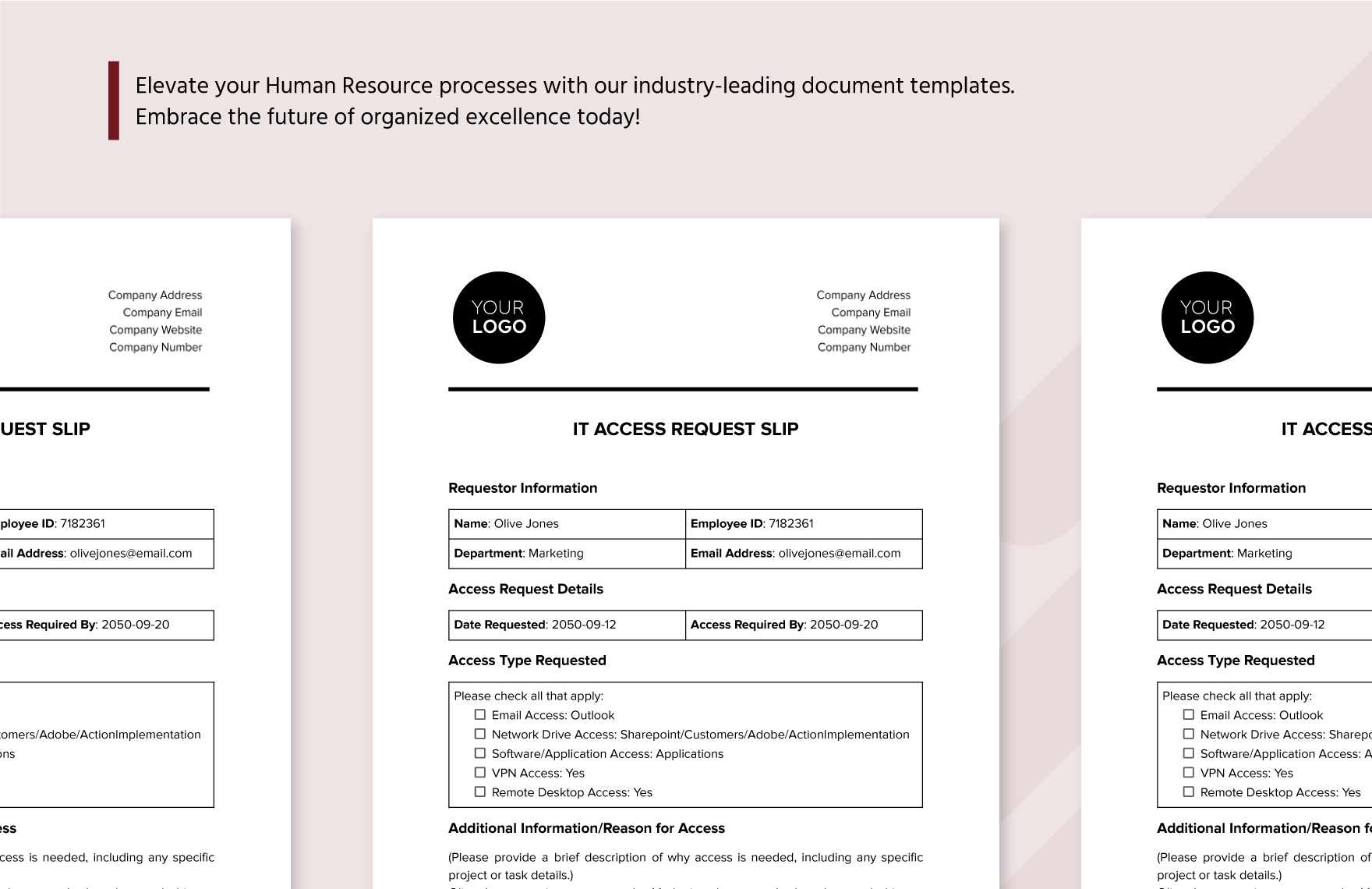
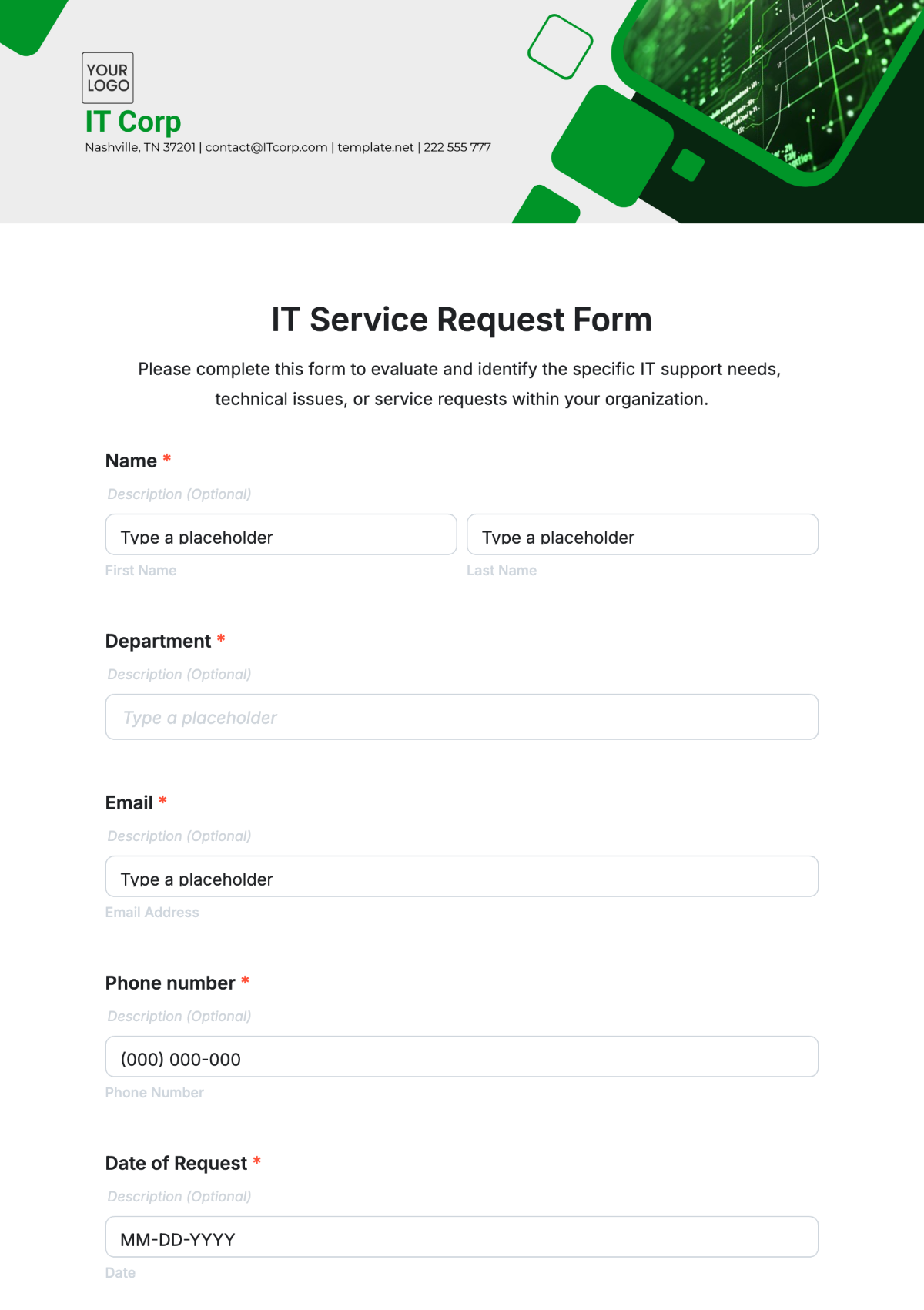
- Filling Out the Request Form: Most organizations have a standardized access request form where details regarding the request must be specified, including the type of information, duration of access, and the justification for the request.
- Review and Approval: The request is then submitted to designated authorities (such as a manager, IT security team, or compliance officer) who evaluate the validity of the request based on organizational policies and data sensitivity.
- Granting Access: Once approved, the requestor is granted access in accordance with defined permissions. If denied, the requester should receive a detailed explanation of the decision.
- Monitoring and Auditing: Post-granting, access should be regularly monitored and audited to ensure adherence to access policies and to revoke permissions when they are no longer necessary.
Best Practices for Access Requests
To ensure a smooth and secure access request process, consider implementing the following best practices:
- Clear Policies: Establish clear access request policies that outline the process, criteria for approval, and protocols for handling sensitive information.
- Training and Awareness: Provide training for all employees on the importance of data security and the procedures for requesting access to sensitive information.
- Role-Based Access Control: Utilize role-based access control (RBAC) to streamline the request process and ensure that employees only have access to the information necessary for their roles.
- Automated Systems: Implement an automated access request system that can facilitate tracking, auditing, and approval processes efficiently.
- Regular Audits: Conduct regular audits of access permissions to verify that they remain appropriate and that there are no unauthorized access points.
Challenges in Access Request Management
While access requests play a critical role in information security, managing these requests can present certain challenges:
- Complexity: The complexity of different systems and the varying requirements for access can create confusion for requesters and approvers alike.
Sluggish approval processes can hinder productivity, particularly if requests require urgent attention. - Compliance Risks: Organizations must continually adapt to changing regulations. Non-compliance with access request protocols can result in hefty fines and legal implications.
Conclusion
Access requests are an essential component of information security in any organization. When implemented effectively, they safeguard sensitive data and ensure that only authorized personnel can access necessary resources. Through clear policies, training, and the use of technology, organizations can streamline the access request process and mitigate potential risks associated with unauthorized access. In an era where data breaches are increasingly common, adopting robust access management practices is not just prudent but necessary for protective measures in securing organizational assets and maintaining stakeholder trust.